
You do not walk into animal urgent care on a calm day. It usually starts with something that feels off, your dog is breathing harder than normal, your cat is hiding and will not stand up, or there is vomiting, bleeding, limping, or a look in their eyes that tells you this is not something to watch overnight. In those first few minutes, the first set of numbers your pet’s team collects at Alexandria veterinary hospital can shape everything that happens next. That first check is not routine paperwork. It shows how stable your pet is, how fast help is needed, and which problems may be building under the surface.
What the first vital sign check reveals during a pet urgent care visit comes down to four core clues, temperature, pulse, breathing, and often gum color or capillary refill time. Together, they can point toward pain, shock, dehydration, overheating, blood loss, heart strain, infection, or breathing trouble before a full exam is even finished. If you have ever wondered why the staff moves so quickly to the back for this part, that is why.
The first pet triage exam shows how stable your pet is
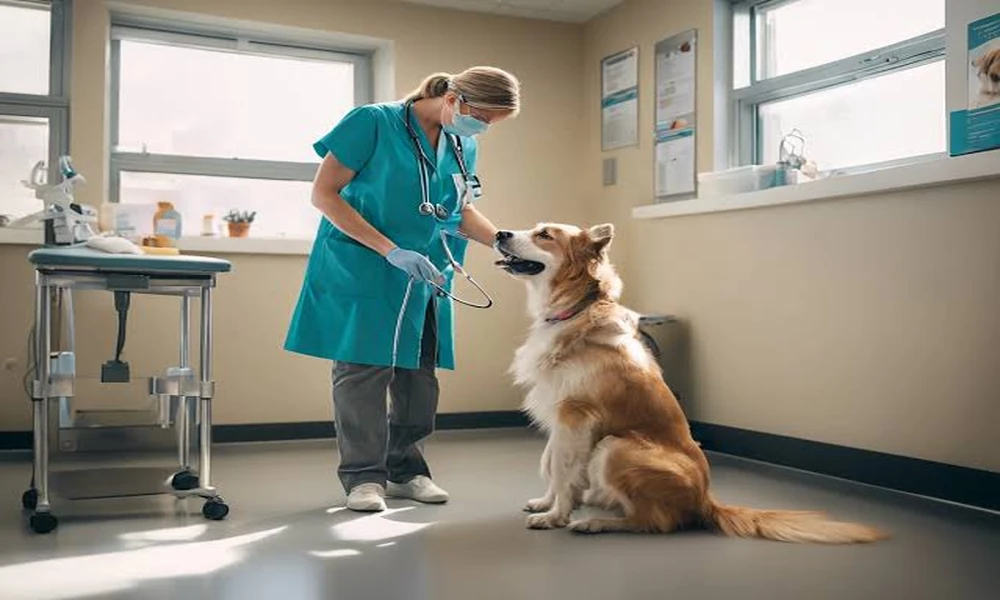
The opening minutes of a pet urgent care visit are about triage. The team is trying to answer one hard question fast. Is your pet stable enough to wait for a fuller exam, or do they need immediate support right now. A pet that is alert but limping may need pain control and imaging. A pet with pale gums, a racing heart, and weak pulses may need oxygen, IV access, and rapid treatment before anything else.
Temperature can reveal fever, heat stress, or dangerously low body temperature. Heart rate can rise from pain, fear, blood loss, dehydration, or heart disease. Breathing rate and effort matter just as much as the number itself. A pet can have a normal count but still be in trouble if each breath is shallow, noisy, or forced. Gum color gives another quick clue. Healthy gums are usually pink. Pale, blue, gray, or brick red gums can signal poor oxygen delivery, poor circulation, or other urgent problems.
This is why the first check often happens before a long conversation. The team is not ignoring you. They are reading your pet’s body in the fastest and safest way possible.
Small changes in vital signs can point to big problems
A lot of emergency cases do not look dramatic at first. A dog with an upset stomach may actually be sliding into dehydration. A cat that seems quiet may be in respiratory distress, and cats often hide that until they are very sick. A pet that collapsed and then stood back up can still have an abnormal heart rhythm or internal bleeding. The first vital sign check helps catch those hidden risks early.
That matters because timing changes outcomes. If a pet is overheating, every minute before cooling support counts. If a pet is struggling to breathe, stress from handling can make things worse, so the staff may minimize contact and move straight to oxygen. If there is possible shock, delays can reduce blood flow to organs. Texas A&M’s guide to recognizing pet emergency signs gives a good sense of how quickly some symptoms can become serious.
You may also see the team repeat the same measurements more than once. That is not redundancy. Trends matter. A single heart rate tells part of the story. A heart rate that keeps climbing while gums grow paler tells a much clearer one.
The first urgent care assessment also shapes cost and next steps
People often worry about what happens after check in, how long it will take, what tests will be needed, and how much the visit may cost. The first vital sign check helps answer those questions too. A stable pet may move on to exam, X rays, bloodwork, or medication. An unstable pet may need immediate stabilization first, which can change both the timeline and the estimate.
The University of Illinois explains common emergency hospital flow in this small animal ER FAQ. The University of Tennessee also outlines what to expect during after hours emergency service, including triage and changing priorities. Those first numbers often decide whether your pet is waiting their turn or moving to the front because their body is showing strain that is not obvious from the lobby chair.
| Finding during first check | What it may suggest | Likely immediate response |
|---|---|---|
| High temperature | Fever, heat stress, inflammation | Cooling support, exam, possible lab work |
| Low temperature | Shock, severe illness, exposure | Warming support, close monitoring, rapid assessment |
| Fast heart rate with pale gums | Pain, blood loss, dehydration, shock | IV access, fluids, oxygen, urgent exam |
| Labored breathing | Respiratory distress, heart disease, airway issue | Oxygen, minimal stress handling, immediate triage |
| Normal numbers but worsening trend | Early decline not obvious on first look | Repeat checks, monitoring, broader workup |
The safest thing you can do is support the triage process
When your pet is sick or hurt, it is natural to want every answer right away. The hard part is that answers usually come in layers. The first layer is stability. Once the team knows whether your pet is oxygenating well, circulating blood well, and maintaining body temperature, they can move toward diagnosis and treatment with less risk.
That is also why aftercare matters. Once your pet goes home, you may be watching for breathing changes, appetite, pain, swelling, or medication side effects. The AVMA offers practical guidance on taking care of your pet after an emergency, which can help you know what is expected and what deserves another call.
Three steps that help before and during animal urgent care
1. Watch breathing before anything else. Count breaths if you can, but also look at effort. Open mouth breathing in cats, noisy breaths, stretched neck posture, or a heaving chest deserve fast attention. If breathing looks hard, keep your pet quiet and avoid extra handling.
2. Bring a short, clear timeline. Write down when symptoms started, what changed, any possible toxin exposure, current medications, and prior health issues. In a true first pet triage assessment, those details help the staff connect abnormal vital signs to likely causes faster.
3. Do not delay because your pet “seems a little better.” Some animals rally briefly even when the underlying problem is serious. Collapse that resolves, repeated vomiting, pale gums, bloated abdomen, seizures, or trouble breathing all justify prompt animal urgent care.
Your pet does not need you to be perfect in that moment. They need you to notice that something is wrong and act on it. The first vital sign check is one of the fastest ways a veterinary team can tell how much help your pet needs and how quickly they need it. If your instincts are telling you this is not normal, trust them and seek animal urgent care right away.




Leave a Comment