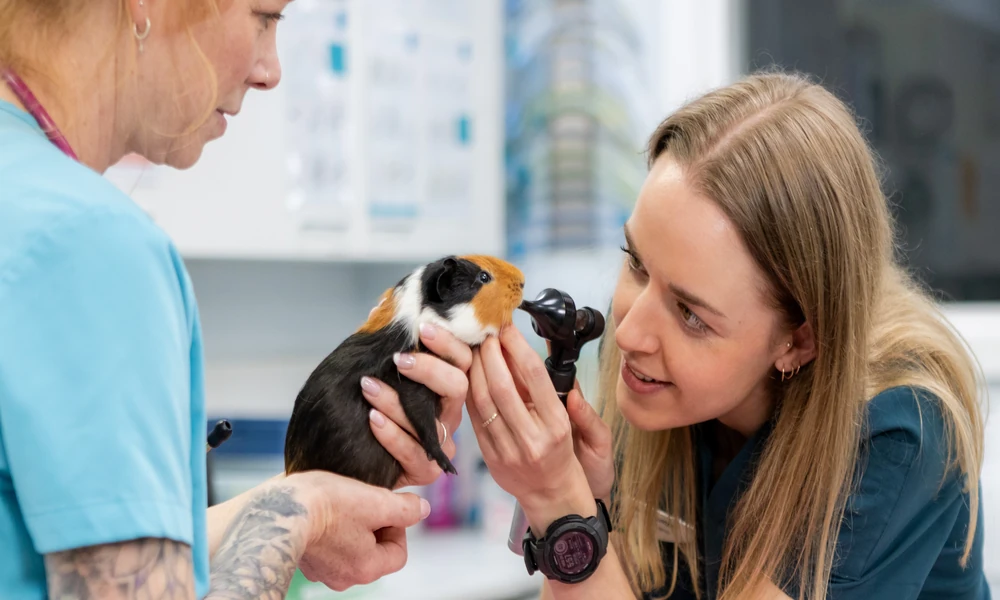

You know your cat’s habits. When the litter box trips get frequent, nothing seems to come out, and your cat starts hiding, crying, or pacing, the worry hits fast. A possible urinary blockage in cats is one of those problems that can turn from “something seems off” to a true emergency in a matter of hours. That is why Animal Urgent Care, an emergency animal hospital near Navarre, takes these signs seriously right away, especially in male cats, who are at higher risk for a complete blockage.
How Animal Urgent Care recognizes a possible urinary blockage in cats often starts with a simple but urgent pattern. Your cat strains, produces little or no urine, licks at the genital area, seems restless, vomits, or stops eating. Some cats look constipated at first, which can delay care. The hard part is that the signs can look subtle until they are not. Once the bladder cannot empty, toxins build up, the bladder becomes painful and overfull, and the situation can become life threatening.
Urinary blockage in cats has a pattern that urgent care teams know well
A cat with a blocked urethra often does not walk in looking dramatic at first. You may only notice repeated litter box visits, small drops of urine outside the box, or a cat that keeps getting into position to urinate and cannot. That pattern matters. It tells an urgent care team this may be more than a simple urinary tract irritation.
Male cats are watched especially closely because their urethra is narrower and more likely to become obstructed by plugs, crystals, inflammation, or stones. The team will pay attention to the history you give. When did the straining start. Is there any urine at all. Has your cat vomited, cried out, become weak, or stopped eating. Those details help separate mild lower urinary tract signs from a possible obstruction.
A cat urinary obstruction emergency can look a lot like constipation to an owner who is trying to make sense of what they are seeing. The posture is similar. The urgency is not. According to the University of Illinois on blocked cats, urethral obstruction is an emergency for male cats and needs prompt treatment.
Animal Urgent Care looks for physical signs that point to a blocked cat
Once your cat is examined, the biggest clue is often the bladder itself. A veterinarian may feel a large, firm, painful bladder that your cat cannot empty. That finding changes the whole picture. A cat with bladder inflammation may still pass some urine. A blocked cat often cannot.
Other signs build the case. A painful abdomen, a distressed or withdrawn attitude, dehydration, vomiting, and weakness all raise concern. In more advanced cases, the heart rate may be lower than expected because electrolyte levels are becoming dangerous. That is one reason urgent care teams move quickly with blocked cats. They are not just treating discomfort. They are protecting the heart, kidneys, and bladder from the effects of an obstruction.
The team may also ask about diet, stress, past urinary issues, and whether your cat has had crystals or stones before. Feline lower urinary tract disease is a broad term that includes several causes of urinary signs, and the Cornell Feline Health Center explains feline lower urinary tract disease in a way that helps owners understand why these cases are not all the same.
Testing helps confirm the blockage and shows how sick your cat is
Recognition does not stop with the exam. If the bladder feels obstructed or the symptoms strongly suggest it, urgent care may recommend bloodwork, imaging, and urine testing when it is safe to collect a sample. Blood tests can show whether kidney values are rising and whether potassium is elevated, which can become dangerous fast. Imaging may help find bladder stones or other causes of the obstruction.
That matters because two cats can look similar in the waiting room and need different levels of intervention once testing begins. One may have severe inflammation and pain with partial urine flow. Another may be fully blocked and already developing electrolyte changes. The University of Florida notes on urinary obstruction outline how quickly these cases can become critical and why immediate treatment is standard.
Waiting at home creates risks that change by the hour
Owners often hesitate for understandable reasons. You may be hoping your cat just needs time, a cleaner litter box, more water, or a quiet room. You may be worried about cost. You may be trying to tell the difference between constipation and a urinary problem. The risk is that a true blockage does not fix itself with observation. The bladder keeps filling, pressure rises, the kidneys cannot clear waste normally, and the body starts to lose its balance.
| What You See at Home | What It May Mean | Risk of Waiting | Why Urgent Care Responds Quickly |
|---|---|---|---|
| Frequent trips to the litter box with little or no urine | Possible partial or complete urinary blockage | Bladder overdistension, toxin buildup, pain | Needs prompt exam and bladder assessment |
| Straining that looks like constipation | Could be urinary obstruction instead of bowel trouble | Misreading the problem delays lifesaving care | Exam helps distinguish bladder pain from constipation |
| Vocalizing, hiding, vomiting, not eating | Pain and worsening systemic illness | Electrolyte imbalance, kidney stress, collapse | Bloodwork and stabilization may be needed |
| Small urine spots outside the box or genital licking | Lower urinary tract irritation or blockage | Condition can progress from irritation to obstruction | Early treatment can prevent a crisis |
Three steps you can take right away when blockage is on your mind
Watch the litter box closely. Count how often your cat tries to urinate and whether anything comes out. If there is repeated straining with little or no urine, treat it like an emergency.
Do not assume it is constipation. The posture can look the same. If your cat is making frequent attempts, seems distressed, or has a swollen painful belly, seek urgent veterinary care instead of waiting for a bowel movement.
Go in sooner if your cat is male, vomiting, weak, or not eating. Those details raise the level of concern. A blocked cat urgent care visit is far safer than waiting overnight and hoping for improvement.
Fast recognition gives your cat the best chance
When Animal Urgent Care recognizes a possible urinary blockage in cats, the goal is simple. Relieve pain, confirm whether your cat can pass urine, and act before the blockage harms the bladder, kidneys, or heart. If your cat is straining, producing little or no urine, crying in the litter box, or acting suddenly sick, trust what you are seeing and get help fast. Early care can make a hard day much more manageable, and urgent care for pets is there for exactly this kind of moment.




Leave a Comment