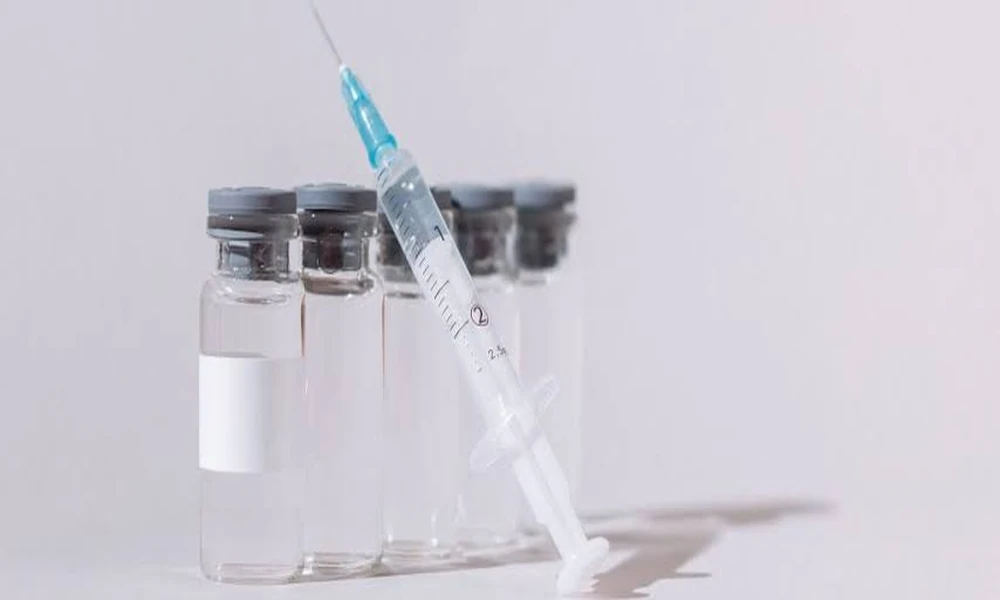

Biological signal activation is the stack’s real product, and the direct answer names four circuits: growth signals driving construction, repair signals driving recovery, hydration signals driving water binding, and protective signals driving enzyme defence. Readers researching a glow stack peptide combination deserve the switchboard mapped plainly, and the sections below sort the activated families, follow the two main circuits, and state the order in which activation actually runs.
Activated signal types
Activated signal types sort into four families, each answering a different component of the stack. Growth family signals move through fibroblast receptors, carrying construction instructions toward collagen and matrix output. Repair family signals move through the pathways, damage normally wakes, accelerating clearance and rebuild without changing their fixed order. Hydration family signals work nearer the matrix itself, as water binding chains shift the tissue’s moisture handling and cells respond to the wetter environment forming around them. Protective family signals close the sort, with copper delivery raising the activity of antioxidant enzymes that guard every other process from oxidative interference. Four families, four component sources, and no family switches on without its matching part present in the formula, which is why fuller stacks activate broader signal sets than narrow formulas ever reach.
Growth signal switching
Growth signal switching starts at receptor contact and ends at running construction. Signalling sequences bind fibroblast growth receptors, the bound state passes inward through relay chemistry, and construction genes flip from resting to active, lifting collagen and matrix production above baseline within days of consistent use. One line carries the whole circuit: receptor on, genes on, output up.
Repair signal triggering
Repair signal triggering engages the recovery wiring, and the important activated signals read plainly:
- Clearance signals rise first, moving damaged material out on schedule.
- Rebuild signals follow, calling construction activity to the cleared sites.
- Calming signals moderate inflammatory tone throughout, keeping clearance from overshooting.
- Completion signals close each repair cycle, releasing the site back to maintenance.
Triggered order never departs from the natural sequence. Activation strength is what the stack adds to it.
Signal activation order
Signal activation order across the whole switchboard runs by depth and speed together. Protective signals activate earliest, since copper reaches enzyme systems within the first applications. Hydration signals follow close behind, as water binding begins on arrival in the matrix. Growth signals switch on across the first week while receptor contact accumulates, and repair signals engage whenever damage calls them, riding the already elevated baseline the other families built beneath them. Full switchboard activation, every family lit at once, marks a stack working as designed, and readings moving together across tone, moisture, and firmness lines are the visible trace of that complete activation.
A glow peptide stack activates four biological signal families: growth, repair, hydration, and protection, each switched by its own component and each readable in its own measurements. Switchboard mapping turns product claims into checkable circuits, and readers holding the map can ask of any formula which signals its parts actually reach, which is the question separating activated biology from label language every single time.





Leave a Comment