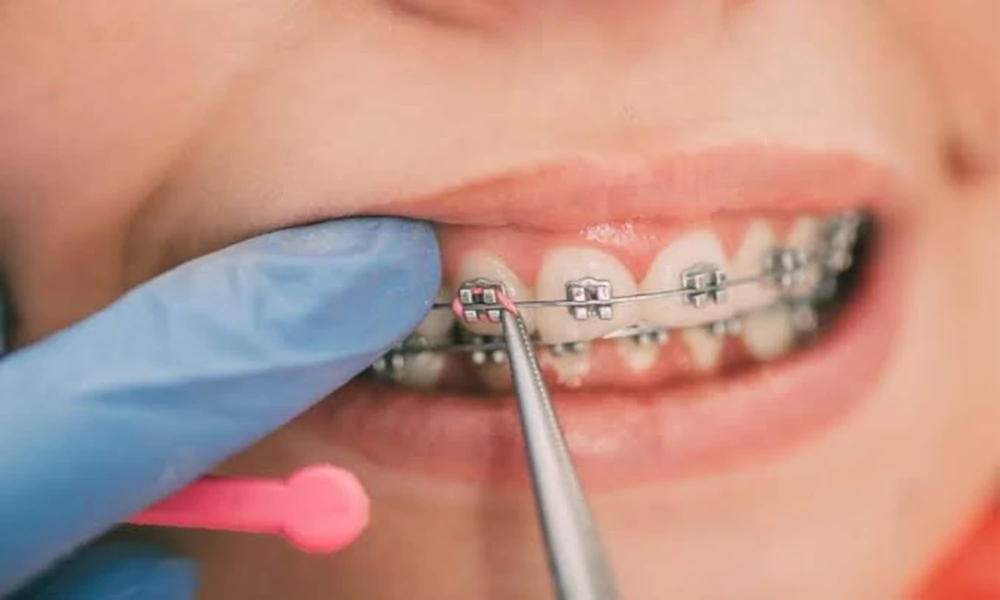

You may be trying to keep track of cleanings, cavity checks, school schedules, and one child who suddenly needs braces, while another still needs help remembering to brush before bed. That is usually how it happens. Orthodontic needs do not arrive in a neat, separate category. They show up right in the middle of normal family dental care, and that can feel like one more thing to sort out, pay for, and understand, especially if you are also exploring options like a tooth crown in San Diego.
A family dentist can make that process easier when orthodontic concerns are handled as part of the bigger picture. Bite issues, crowding, delayed tooth eruption, thumb sucking habits, and jaw development rarely exist on their own. They affect speech, cleaning, comfort, confidence, and long term oral health. Managing orthodontic needs within a family dental practice means your child or teen gets watched over consistently, concerns are caught early, and treatment decisions fit the rest of your family’s dental care instead of disrupting it.
Orthodontic concerns often start small and grow quietly
Most parents do not walk into an office saying their child needs orthodontic treatment. They notice crooked front teeth, a bite that looks off, or baby teeth that do not seem to be falling out on time. Sometimes the concern is less visible. A child breathes through the mouth, struggles to floss crowded teeth, or keeps biting the inside of the cheek. These signs can be easy to dismiss because they often build slowly.
That is where orthodontic care in a family dental practice helps. During regular exams, a family dentist is not only checking for cavities. They are also watching how teeth erupt, how the jaws line up, and whether habits or spacing problems are likely to create bigger issues later. Early awareness does not always mean early braces. It often means monitoring, timing, and avoiding unnecessary delay.
When problems are missed, the stress tends to multiply. Crowded teeth can be harder to clean, which raises the risk of decay and gum irritation. The CDC explains that dental sealants help prevent cavities, which matters even more for kids whose tooth alignment makes brushing and flossing more difficult. If a child already has deep grooves in the molars and poor access for cleaning, prevention becomes part of the orthodontic conversation, not a separate issue.
Family dental care and orthodontic planning work better together
Families usually want one clear plan, not scattered advice from multiple directions. If one child needs sealants, another may need monitoring for crowding, and a parent may need a night guard or crown. A family dentist who understands the whole household can connect those needs in a way that feels manageable.
This matters financially too. Orthodontic treatment has timing decisions, follow up visits, and sometimes phased care. If a child is also prone to decay, has enamel weakness, or needs fillings before orthodontic treatment starts, those details need to be coordinated. A dentist who already knows the patient’s history can help sequence care in a practical way.
There is also the emotional side. Kids often feel nervous when they hear words like braces, expanders, or tooth extraction. Parents may worry they waited too long or fear they are about to commit to years of appointments. A familiar dental setting lowers that pressure. The child sees known faces, the parent gets straight answers, and treatment feels like part of normal care instead of a major disruption.
Some concerns need referral or co-management with an orthodontic specialist, and that is a good thing. Family dentistry is not about forcing every service into one room. It is about making sure family dental orthodontic support starts early, stays organized, and fits the patient rather than the calendar.
Practical orthodontic decisions affect prevention, timing, and cost
Orthodontic planning is not only about straight teeth. It also affects cavity prevention, oral hygiene, and school day logistics. The National Library of Medicine notes that malocclusion can affect bite alignment and function, which is why spacing and bite concerns deserve attention before they become harder to correct.
| Approach | What it looks like | Possible benefit | Common drawback |
|---|---|---|---|
| Routine monitoring in family dentistry | Regular exams track eruption, spacing, bite changes, and oral habits | Problems may be identified early, timing is often better | Requires consistency with checkups |
| Delayed evaluation | Waiting until crowding or bite problems are obvious | Fewer appointments in the short term | Can reduce options and increase treatment complexity |
| Prevention paired with orthodontic planning | Sealants, hygiene coaching, and decay control happen alongside alignment monitoring | Teeth may stay healthier during future treatment | Needs follow through at home |
| Fragmented care | Dental and orthodontic decisions happen separately | May work for simple cases | Mixed messages, duplicated visits, and missed timing issues |
Prevention deserves more attention than it usually gets in these conversations. Kids with crowded teeth often need more support keeping molars clean, and school based prevention programs have shown strong value. The CDC describes how school dental sealant programs improve access to preventive care, especially for children who might otherwise miss that extra layer of protection.
Clear next steps make orthodontic care feel manageable
1. Ask for an orthodontic screening during a routine family dental visit.
You do not need to wait until teeth look severely crooked. Ask whether the bite, jaw growth, spacing, and eruption pattern look on track. A simple screening can tell you whether the right move is treatment, watchful waiting, or referral.
2. Review prevention before treatment starts.
If braces or aligners may be coming, make sure cleanings, fillings, sealants, and home care habits are addressed first. Orthodontic appliances can make cleaning harder, so the healthiest start usually saves trouble later.
3. Build one coordinated plan for the household.
Put upcoming cleanings, rechecks, and possible orthodontic visits on one calendar. If more than one family member needs care, ask for a sequence that matches your schedule and budget. Families do better when dental care feels organized instead of reactive.
Steady family dental care creates room for better orthodontic decisions
You do not need to solve every orthodontic question at once. You need a clear view of what is happening, what can wait, and what deserves attention now. When a family dentist keeps an eye on growth, prevention, and alignment together, the process usually feels less overwhelming and more doable for everyone in the house.
If your family is noticing crowding, bite changes, or teeth coming in out of place, schedule a visit with a family dentist and ask for a full orthodontic evaluation as part of your regular dental care.






Leave a Comment