
You finally have your pet examined, treated, and ready to come home, and instead of feeling relieved, you may feel nervous all over again. That reaction makes sense. A splint looks fragile, your pet may be sore, and the ride home can feel like the moment when all the responsibility shifts back onto you, especially after hearing guidance from a Fontana animal doctor. You are not just thinking about healing. You are thinking about bathroom breaks, stairs, licking, swelling, follow up visits, cost, sleep, and whether one wrong move will undo everything.
That is why 6 Things To Clarify Before Your Pet Goes Home With A Splint matters so much. Before you leave the animal hospital, you need plain answers about home care, warning signs, movement limits, pain control, recheck timing, and what to do if the splint slips or gets wet. A splint can protect an injury well, but only if the plan at home is clear.
Your pet’s splint care instructions need to be specific before discharge
Many discharge conversations happen fast. Your pet is restless, you are trying to pay attention, and someone is handing you medication, paperwork, and a cone at the same time. That is how details get missed. One owner hears “keep it dry” and assumes a quick walk in wet grass is fine. Another hears “restrict activity” and thinks that means no running, but still allows jumping on the couch. Those small gaps can turn into pressure sores, delayed healing, or a loose splint that no longer supports the injury.
Start with the most basic point. Ask exactly what the splint is treating and how long it is expected to stay on. A splint for a soft tissue injury may have a different timeline than one protecting a fracture or post surgical site. If your pet also has a wound, ask whether bandage care changes because of that. The University of Illinois offers a helpful overview of what to know when your pet has a laceration, and wound details matter when a bandage or splint is part of recovery.
Ask how tight is too tight, how much toe swelling is acceptable, and whether a small odor is normal or not. You should not have to guess. If the answer is “call us if you notice any swelling, slipping, chewing, discharge, cold toes, or foul smell,” that needs to be written down and easy to find once you get home.
Activity limits after a splint affect healing more than most owners expect
Your pet may act better before the injury is actually stable. That is one of the hardest parts. A dog with pain medication may try to trot to the door like nothing happened. A cat may decide the bookshelf still belongs to her. Better energy does not mean the leg is ready. It often means you need stricter management just when your pet is starting to resist it.
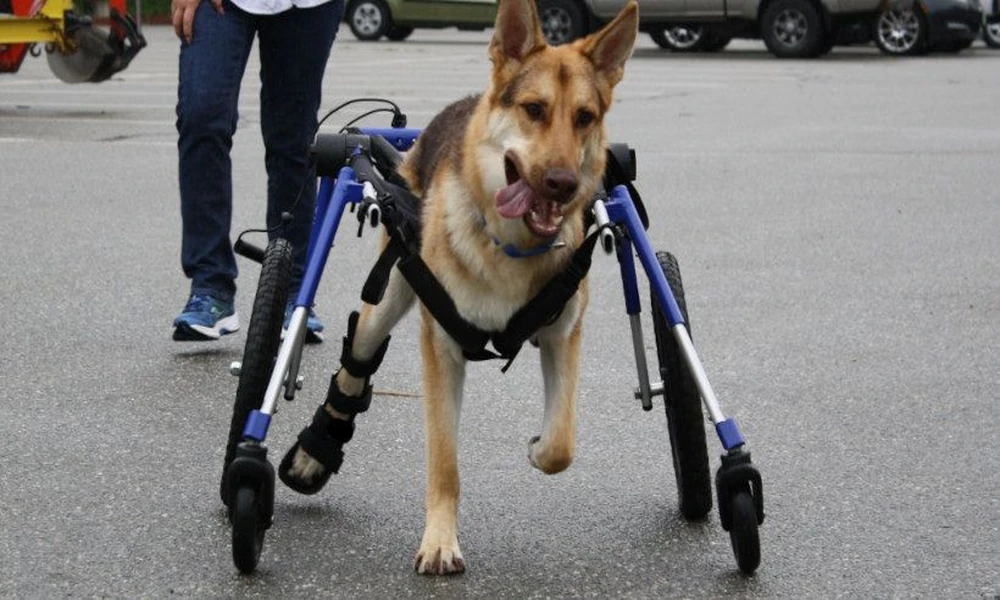
Clarify exactly what “crate rest” or “restricted activity” means in your home. Does your dog need to be carried outside? Can your pet use stairs at all? Is a sling recommended for support? Can your cat stay in one room, or does she need a kennel setup? If your pet has broader mobility needs, guidance like Texas A&M’s advice on caring for a special needs dog can help you think through ramps, traction, bedding, and daily support.
This is also where cost and logistics show up. Follow up rechecks, bandage changes, and missed work hours add up. You do not need to solve all of that in the exam room, but you do need a realistic schedule before discharge. If the splint must be changed every few days, that affects transportation, work, and budget immediately.
Warning signs of splint problems should be clear before your pet leaves the animal hospital
A good question is not “What could go wrong?” in the abstract. A better one is “What will I actually see if something is wrong?” That gets you practical answers. Toes that suddenly look puffy, cold, or spread apart can signal trouble. A wet bandage can rub and break skin fast. A bad smell often means moisture, infection, or tissue damage under the wrap. Constant licking or chewing usually means discomfort, and discomfort has a cause.
You also need a plan for after hours problems. Ask who to call at night, on weekends, or if the splint gets soaked during a stormy potty break. Keep basic supplies at home, including clean towels, an e collar, and your discharge papers in one place. Ohio State has a useful guide for assembling an emergency kit for your pets, and that kind of setup becomes even more useful when your pet comes home with a bandage or splint.
Home care for a pet splint is easier when expectations are concrete
| What to Clarify | Clear Answer You Need | What Can Happen If It Is Unclear |
|---|---|---|
| Bathroom trips | How long, how often, and whether a cover can be used outside | Wet splint, slipping, skin sores |
| Activity restriction | Crate rest, leash only, no stairs, no jumping, sling support if needed | Reinjury, delayed healing, broken splint support |
| Medication schedule | Exact dose, timing, food instructions, side effects to watch for | Poor pain control, stomach upset, missed doses |
| Warning signs | Swelling, odor, discharge, chewing, cold toes, slipping bandage | Pressure wounds, infection, circulation problems |
| Recheck timing | Date of next exam and whether bandage changes are mandatory | Complications missed early, treatment delays |
| After hours plan | Who to call and where to go if the splint fails | Panic, delays, preventable worsening |
Pet splint aftercare works best when you take these three steps right away
1. Repeat the plan back before you leave. Say the medication times, activity rules, and warning signs out loud. That gives the team a chance to correct anything that was misunderstood. It feels simple, but it prevents a lot of mistakes.
2. Set up one recovery space at home. Use non slip flooring, easy access to water, and enough room to rest without pacing. Keep the cone, meds, leash, towels, and discharge sheet there. Good pet splint care instructions are much easier to follow when your space supports them.
3. Put recheck dates and medication alarms in your phone before the car ride home. Do not trust yourself to remember later. Recovery gets messy fast, especially when you are also managing work, family, and a stressed pet.
Clear discharge guidance protects both healing and your peace of mind
A splint can do its job well, but only when you know exactly how to protect it at home. If anything feels vague, ask again before you leave the animal hospital. You are not being difficult. You are preventing setbacks. Good taking care of a pet with a splint starts with clear instructions, a realistic home plan, and a direct line for help if something changes.
Your pet does not need you to be perfect. Your pet needs you to be prepared, observant, and willing to call when something seems off. That is often what makes recovery smoother and safer.




Leave a Comment