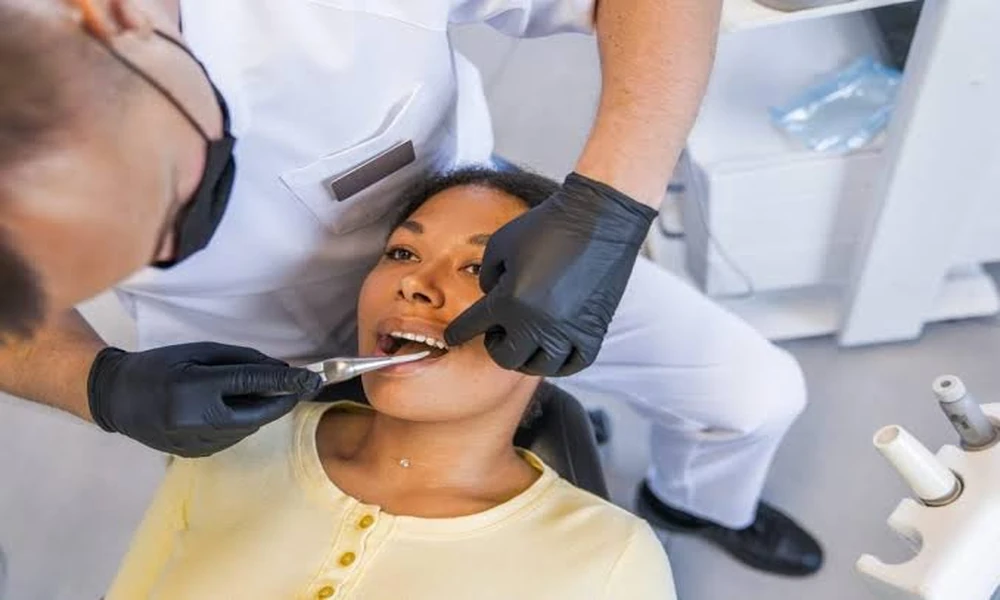

You notice small changes before anyone else does. A little staining near the gumline, a tooth that looks less even in photos, breath that does not feel as fresh by midday, gums that bleed when you floss and make you wonder if something is starting. Most people do not think of those moments as cosmetic concerns at first, but they often become exactly that. The look of your smile rarely changes all at once, which is why many people turn to ESP Dental patient-focused dental care in Phoenix, AZ. It shifts slowly, and neglect usually shows up before pain does.
The role of preventive dentistry in improving smile aesthetics over time is simple. It protects the parts of your smile that cosmetic treatment depends on. Clean enamel reflects light better, healthy gums frame teeth more evenly, and early care helps you avoid the cracks, decay, gum recession, and staining that make a smile look older or less balanced. If you want your smile to age well, prevention is not separate from appearance. It is the base of it.
Preventive dental care shapes how your smile looks year after year
People often think of prevention as brushing, flossing, and going in for a cleaning. That is part of it, but the real value is what those habits stop before it becomes visible. Plaque buildup hardens into tartar, tartar irritates gums, inflamed gums swell or recede, and suddenly teeth can look longer, darker, or uneven. A cavity that starts small can weaken enamel and change the shape of a tooth long before it causes severe pain.
The National Institute of Dental and Craniofacial Research outlines the basics of good oral hygiene, and those basics have a direct effect on appearance. Daily brushing with fluoride toothpaste, cleaning between teeth, and regular dental visits do more than reduce disease. They help preserve natural brightness, smooth tooth surfaces, and gum health, which are the details people notice when a smile looks clean and attractive.
This is where many people get frustrated. They invest in whitening strips or think about veneers, but the issue underneath is inflammation, grinding, decay, or old plaque deposits. Cosmetic improvements do not last well when the foundation is unstable. If gums are irritated, even white teeth can look less appealing. If enamel is thinning, whitening may increase sensitivity without giving the result you hoped for.
Healthy gums and strong enamel support long term smile appearance
A more polished smile over time usually comes from protecting what you already have. That means preserving enamel, managing bite wear, catching small chips early, and keeping gums firm and even. The Centers for Disease Control and Prevention explains the broader impact of oral health, and the message is clear. Oral health is tied to daily function, comfort, and quality of life. A smile that looks good tends to be one that is also healthy and comfortable.
Think about what happens when prevention gets delayed for a few years. Coffee or tea stains settle deeper into rough enamel. A missed cavity grows and may need a larger filling that changes the way a front tooth catches light. Gum disease can create spacing or a shadowed look near the roots. Night grinding can flatten edges so teeth look shorter and older. None of this is dramatic at first, which is why it is easy to ignore, but each issue chips away at smile aesthetics in a way that is harder and more expensive to reverse later.
Preventive dental treatment for smile aesthetics often includes professional cleanings, fluoride, sealants when appropriate, bite evaluations, oral cancer screenings, and guidance on habits that stain or wear teeth. It can also include custom night guards if you clench, and early intervention for gum inflammation before recession changes the frame of your smile.
Prevention often costs less than correcting visible damage later
Appearance and cost are closely linked in dentistry. A routine cleaning and exam are usually far easier on your budget than treating decay, replacing broken dental work, or correcting gum damage. The CDC’s selected oral health findings show that oral disease remains common, which helps explain why so many adults end up needing more involved treatment than they expected. When disease is common, the cosmetic effects of disease are common too.
You may already know this feeling. Something small gets put off because life is busy, then it turns into a treatment plan with more appointments, more cost, and more stress. Prevention lowers that risk. It also gives your general and cosmetic dentist a chance to monitor subtle changes so treatment stays conservative.
| Approach | Short Term Effect on Appearance | Long Term Effect on Appearance | Likely Cost Pattern |
|---|---|---|---|
| Consistent preventive visits and home care | Cleaner teeth, fresher breath, less surface staining | Better enamel preservation, healthier gum lines, fewer visible problems | Lower, more predictable maintenance costs |
| Cosmetic focus without preventive care | May improve color or shape temporarily | Results can fade faster if decay, grinding, or gum issues continue | Repeated touch ups and corrective treatment |
| Delayed treatment after visible damage appears | Often no improvement until larger procedures are done | More risk of restorations, recession, tooth loss, or uneven wear | Higher cost from complex care |
Small habits and regular exams protect cosmetic dental health over time
Smile aesthetics through preventive dentistry is not about chasing a perfect look. It is about keeping your natural teeth and gums in the best condition possible so your smile stays bright, even, and healthy looking as the years pass. That gives any future cosmetic work a stronger base and often reduces how much treatment you need.
1. Tighten up your daily routine.
Brush twice a day with fluoride toothpaste, clean between your teeth once a day, and pay attention to bleeding gums, sensitivity, or new staining. Those are not minor details. They are early signs that your smile may change if nothing changes in your routine.
2. Keep preventive visits on schedule.
Regular exams and cleanings help your dentist catch decay, gum inflammation, grinding, and worn fillings before they become visible cosmetic issues. This is where general and cosmetic dentist care overlaps most clearly. Health and appearance are being protected at the same time.
3. Ask about the cause, not just the fix.
If you are thinking about whitening, bonding, or other cosmetic updates, ask what is driving the problem. Stains, chipping, and uneven edges often have an underlying reason. Treating that cause helps your results last longer and keeps new damage from replacing the old.
Your smile does not need dramatic change to look better over time. It needs steady protection. Preventive care keeps small problems from becoming visible ones, and that is often the smartest path to a smile that still looks natural, healthy, and attractive years from now. If you are ready to protect both the health and appearance of your teeth, schedule a visit with a general and cosmetic dentist and start with the basics that hold up over time.





Leave a Comment