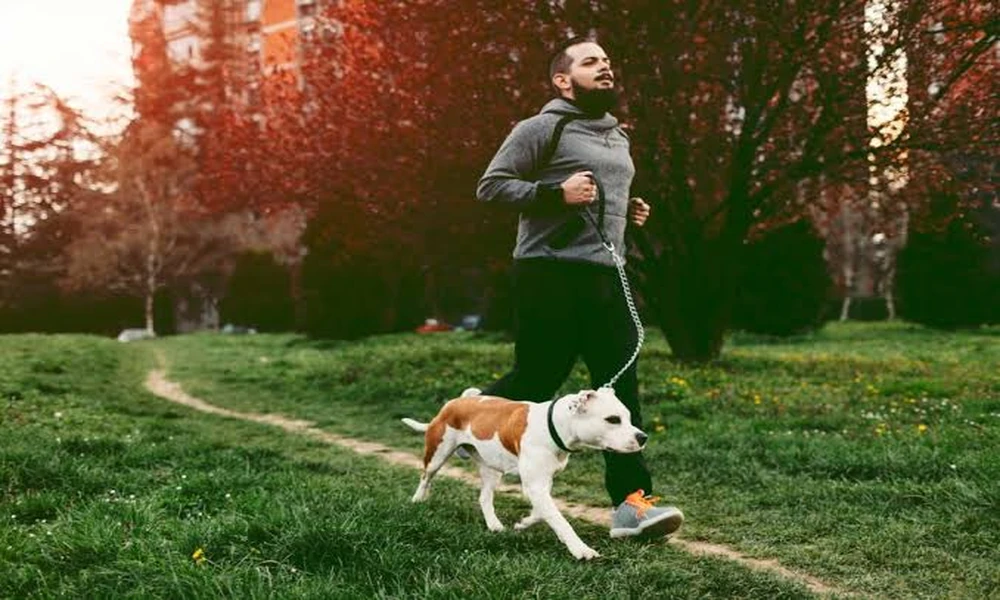

You know your pet’s patterns better than anyone. The pacing before dinner, the nap in the same patch of sun, the way they wait by the door when school lets out or you get home from work. When that rhythm shifts, pets notice fast. A new job, a move, a baby, kids going back to school, travel, recovery after surgery, even a different feeding time can throw them off more than people expect. If you’re concerned about how these changes are affecting your pet, a veterinarian in Waco, TX can help you understand what to watch for and how to support them.
That stress often shows up in ways that feel personal. Your dog starts barking when you leave. Your cat hides under the bed. A house-trained pet has accidents. A usually calm pet becomes clingy, restless, or snappy. You are not imagining it, and you are not overreacting. Routine helps pets feel safe, so when life changes, preparing them ahead of time usually makes the transition smoother. That is the heart of 6 Ways To Prepare A Pet For A Change In Routine. Small steps, done early, can prevent bigger behavior and health problems later.
Routine changes can trigger stress in pets
Pets do not need to understand the reason for a schedule change to feel the impact of it. They just feel that meals happen later, people disappear longer, noise increases, or familiar spaces smell and sound different. Texas A&M notes that many pets react to stressful situations with changes in appetite, vocalizing, hiding, pacing, trembling, or destructive behavior. You can read more about how stressful situations affect pets.
That is where many owners get stuck. They wait until the new routine starts, then try to correct the behavior after the pet is already overwhelmed. By then, the dog that panics when left alone has learned to fear the departure cues. The cat that stops using the litter box may now associate the box area with stress. The problem is not stubbornness. It is a nervous system trying to cope.
If your change in routine also includes a move, the stress can stack up. New sounds, new smells, new walking routes, and missing familiar people all matter. Cornell’s canine health experts offer helpful guidance on moving to a new home with your dog, and the same principle applies to other disruptions. Familiarity lowers stress. Sudden change raises it.
Six ways to help pets adjust to a new schedule
1. Shift the schedule in small increments. If breakfast will move from 7 a.m. to 6 a.m., start changing it by 10 to 15 minutes every few days. Do the same with walks, playtime, and bedtime. Gradual change gives your pet time to adapt without feeling like their whole world changed overnight.
2. Practice the new alone time before it becomes necessary. If you are returning to the office or your kids are going back to school, build short departures into the week now. Leave for five minutes, then fifteen, then thirty. This helps with helping pets adjust to a new routine because the absence becomes normal instead of abrupt.
3. Keep anchor habits steady. You may not be able to keep every part of the old schedule, but you can protect key touchpoints. Feed in the same bowl, use the same walking route when possible, keep the same bedtime cue, and leave favorite bedding in place. Pets handle change better when a few things stay predictable.
4. Add enrichment before stress builds. Boredom and anxiety often look alike. Food puzzles, sniff walks, chew items, climbing spaces for cats, and short training sessions can lower tension and give your pet a job to do. A tired brain usually copes better than an under-stimulated one.
5. Watch for early warning signs. Mild stress can become a bigger medical or behavioral issue if it gets ignored. Loss of appetite, vomiting, diarrhea, overgrooming, accidents, excessive drooling, hiding, and sudden aggression all deserve attention. This is where a general veterinarian can help separate behavior stress from pain, illness, or both.
6. Talk to your veterinarian before the change if your pet has a history of anxiety. Some pets need more than routine adjustments, especially during loud events, travel, or separation. The FDA has approved medication for certain canine anxiety conditions, including separation anxiety and noise aversion. You can review the FDA update on treatment options for dogs with noise aversion and separation anxiety. Medication is not the first answer for every pet, but for some, it is part of a safe plan.
Common routine changes and practical ways to respond
| Routine Change | What You May Notice | Helpful Response |
|---|---|---|
| Return to office or school | Barking, pacing, accidents, clinginess | Practice short departures, use enrichment toys, keep departure cues calm |
| Move to a new home | Hiding, poor appetite, escape behavior | Set up one quiet room first, keep familiar bedding, maintain feeding times |
| New baby or houseguest | Withdrawal, jealousy, overstimulation | Create a safe retreat space, keep one-on-one time, reward calm behavior |
| Change in work shifts | Sleep disruption, begging, restlessness | Adjust schedule gradually, preserve walk and feeding anchors |
| Travel or boarding | Digestive upset, vocalizing, refusal to eat | Do trial stays, send familiar items, review vaccines and stress plan with your vet |
These examples matter because not every pet responds the same way. One dog may become destructive when left alone. Another may stop eating. Cats often show stress in quieter ways, which means owners miss the signs until the litter box habits change or grooming becomes excessive. pet routine transition tips work best when they match your individual pet’s triggers, not just the event on the calendar.
Three steps you can take right now
Map the change. Write down what will be different over the next two to four weeks. Feeding time, departure time, walking schedule, noise level, sleeping location, visitors, travel, all of it. Once you see the changes clearly, you can prepare instead of reacting.
Start one adjustment today. Do not wait for the official first day of the new schedule. Move one meal slightly, shorten one goodbye routine, or introduce one puzzle feeder. When owners need preparing a pet for schedule changes advice, this is often the most effective place to begin because it turns a future problem into a manageable training plan.
Schedule a veterinary check-in if your pet is already stress prone. Pets with a history of anxiety, digestive upset, urinary issues, or behavior changes under stress deserve a plan before life shifts. A general veterinarian can rule out medical causes, suggest behavior support, and discuss whether supplements, training, or medication fit your pet.
Steady preparation makes routine changes easier on everyone
Your pet does not need a perfect transition. They need a supported one. A few early adjustments, a predictable core routine, and prompt help when stress signs appear can make a major difference. If your pet is facing a schedule shift and you are seeing signs of anxiety, reach out to a general veterinarian and get a plan in place before the change hits full force.



Leave a Comment