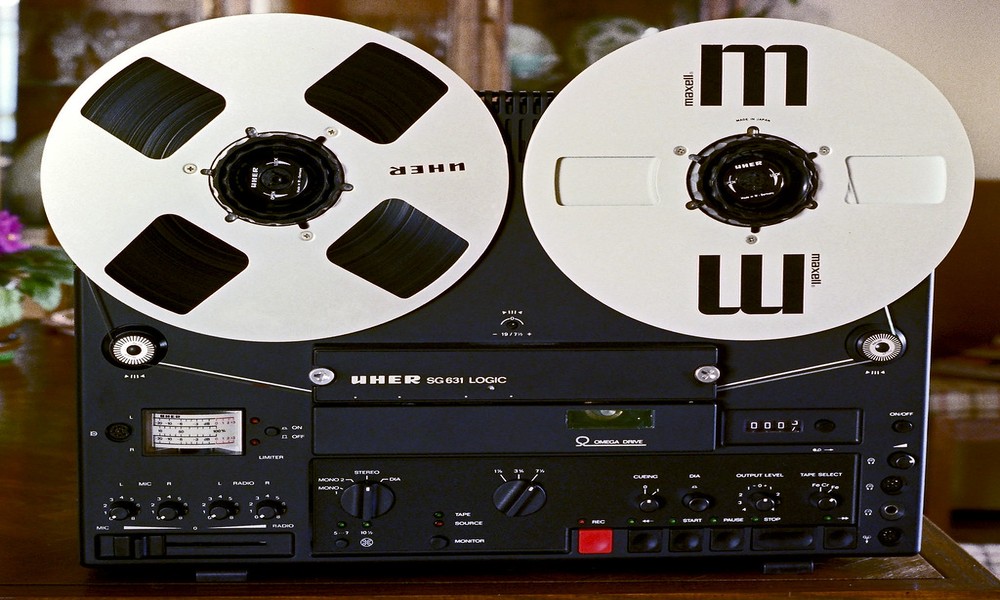

Title: Uher Tape Recorders: A Collector’s and Restorer’s Reference
Description: A practical look at vintage Uher tape recorders – models, restoration considerations, and where to find original documentation for these classic machines.
Link: https://manualmachine.com/uher/
Anchor: url – “https://manualmachine.com/uher/”
Uher produced some of the most respected portable and professional tape recorders of the twentieth century, and the machines that carry the Uher name are now firmly in collectible and vintage-audio territory. Models like the Uher 4000 Report, the 4200 and 4400 series, the Royal, and various studio machines were used extensively in broadcasting, field recording, and serious amateur audio work. Decades after Uher stopped manufacturing tape equipment, a dedicated community of collectors, restorers, and working users keeps many of these machines in service. For anyone who owns or is considering a Uher tape recorder in 2026, documentation is one of the core challenges – original manuals, service guides, and alignment procedures are essential for proper maintenance but increasingly hard to find through ordinary channels. This article covers what Uher owners should know and where the documentation has survived.
A Brief Overview of the Uher Catalog
Uher’s product history spans multiple decades and several distinct product families. The Report series portable machines were the field recorders of choice for journalists and broadcasters for many years, known for their robust mechanical design and excellent sound quality in a genuinely portable package. The Royal and studio models were heavier, higher-specification units intended for more demanding applications. Smaller consumer models served the home audio market. Each of these families evolved across multiple generations, and the specific model designation matters significantly for any technical question – service procedures that are correct for one variant may be wrong for another, and parts compatibility is similarly variant-dependent.
Why Vintage Tape Machines Are Still Used
The modern interest in Uher tape recorders is not purely nostalgic. Tape-based audio has specific sonic characteristics that digital recording does not reproduce, and for certain kinds of musical and archival work, tape remains the preferred medium. A properly maintained Uher machine delivers genuinely excellent sound quality by any objective measure, and the mechanical precision of Uher transports means that wow and flutter specifications on well-restored machines are often better than what budget digital recorders can claim even today. This combination of real audio quality and the analog character of tape keeps a practical demand for these machines alive in 2026.
The Documentation Challenge for Uher Equipment
Sourcing documentation for Uher equipment has become progressively more difficult as the decades have passed. Uher as an independent company ceased operations in the 1990s, and later corporate structures that inherited the brand name have generally not maintained comprehensive archives of the original documentation. Paper manuals from the 1960s and 1970s have mostly been lost through normal attrition. The surviving documentation exists primarily in enthusiast communities, private collections, and dedicated preservation archives that have taken the trouble to digitize and catalog these materials. You can find Uher documentation https://manualmachine.com/uher/ through dedicated preservation resources, covering a range of models from the portable Report machines to the larger studio units. This kind of preserved documentation is genuinely historical material that would otherwise be at risk of disappearing entirely.
Types of Uher Documentation Worth Having
For serious Uher ownership, three documentation types matter. The operator’s manual covers daily use, control functions, and basic care. The service manual or workshop manual covers alignment procedures, parts diagrams, and repair procedures – this is the document that most directly affects ongoing maintenance. The schematic is the circuit diagram showing the electronic design of the machine, useful for advanced troubleshooting and component-level repair work. Restorers typically need all three. Casual owners can usually get by with the operator’s manual supplemented by community knowledge, but anyone planning to maintain the machine themselves over the long term benefits from having the complete documentation set.
Common Restoration Priorities
A vintage Uher machine that has been sitting unused for years typically needs attention in several specific areas before it can be returned to reliable service. Rubber components – pinch rollers, drive belts, idler tires – degrade over time and almost always need replacement. Capstan and idler bearings may need lubrication or replacement. Head cleaning and demagnetization are standard first steps. Electrolytic capacitors in the audio circuits often need replacement if the machine has been unused for decades. The service manual documents each of these procedures with the specifications that matter, and proper restoration depends on following these procedures rather than improvising. A machine restored with attention to the documented procedures performs to its original specifications; one restored by guesswork may work but usually not as well as it should.
Alignment and Calibration
Tape recorder alignment is a specific technical skill that combines following documented procedures with using appropriate test equipment. Head azimuth, bias settings, level calibration, frequency response – each of these is adjusted against specific targets documented in the service manual. A properly aligned Uher machine sounds dramatically better than a misaligned one, and the difference is not subtle. Anyone doing their own alignment work needs the documentation that specifies the target values for their specific model, along with the appropriate test tapes or signal sources. This is a case where attempting the work without the documentation produces predictably poor results.
Tape and Media Considerations
Uher machines were designed around specific tape formulations, and the original manuals often specify the recommended tape types. While many of those specific tapes are no longer manufactured, modern equivalents exist and the documented bias settings provide a starting point for calibrating the machine to whatever tape you actually use. The manual also covers tape handling, storage, and cleaning procedures that matter for long-term media preservation. For users who are recording new material on vintage Uher equipment, matching the tape to the machine’s capabilities is one of the decisions that most affects the final audio quality.
The Uher Community as Documentation Resource
Beyond formal documentation, the Uher collector and restorer community has accumulated significant practical knowledge about these machines over the decades. Forum discussions, repair write-ups, and informal documentation from experienced users often contain information that supplements or clarifies the original factory documentation. Modern replacement parts – belts, pinch rollers, capacitor kits – are discussed in detail in these communities, along with the practical tricks that make certain repairs easier. For anyone serious about Uher ownership, participation in this community is almost as valuable as the documentation itself, and the two sources work together to keep these machines running for the generation of collectors who care about them.
– – – – – – – – – –