Category

Home

Category

Hotel curtains play a crucial role in creating a welcoming and comfortable environment for guests. Not only do they offer privacy and light control, but they also contribute to the overall aesthetics of the room. Let’s discuss the key factors to consider when selecting the most suitable hotel curtains, ensuring a delightful and memorable stay for your guests.

Material Matters

The choice of fabric for hotel curtains is paramount. Opt for durable, easy-to-maintain materials that can withstand regular use and frequent washing. Consider fabrics like polyester blends, which are stain-resistant and offer a wide variety of colors and patterns to match your hotel’s interior design.

Light Control and Privacy

Hotel curtains should effectively block out unwanted sunlight, ensuring a restful sleep experience for guests. Look for curtains with blackout lining or multiple layers that offer superior light control. Additionally, consider the opacity of the fabric to ensure privacy, especially in rooms facing busy streets or neighboring buildings.

Style and Aesthetics

Hotel curtains should blend seamlessly with the overall theme and ambiance of the room. Consider the color, pattern, and texture of the fabric to create a visually appealing and cohesive look. Choose neutral tones for a timeless and elegant feel, or experiment with bold colors and patterns to add character and vibrancy.

Functional and User-Friendly Design

Curtains with user-friendly features enhance guest convenience. Opt for curtains with easy-to-use mechanisms such as grommets, hooks, or motorized systems for smooth opening and closing. Additionally, consider curtains with adjustable lengths to accommodate different window sizes, allowing guests to customize their privacy and natural light levels.

Fire Retardant and Safety Measures

Safety should be a top priority in hotel establishments. Look for curtains that meet fire safety regulations and are labeled as fire retardant. This ensures guest safety and compliance with building codes.

Soundproofing

To provide a peaceful and undisturbed environment, consider curtains with sound-absorbing properties. Select thicker fabrics or curtains with acoustic lining to minimize external noise, ensuring a good night’s sleep for your guests.

Easy Maintenance and Cleaning

Hotel curtains are subjected to regular cleaning and maintenance. Choose fabrics that are machine-washable or can be easily cleaned by professional services. Consider fabrics that resist fading, wrinkling, and staining, saving time and effort in maintaining their pristine appearance.

Customization and Branding Opportunities

Hotel curtains present an excellent opportunity for branding and customization. Consider incorporating your hotel’s logo, monogram, or unique patterns into the curtain design, adding a touch of exclusivity and reinforcing your brand identity.

Conclusion

Selecting the most suitable hotel curtains involves a careful consideration of various factors, such as material quality, light control, style, functionality, safety, and maintenance. By finding the perfect balance between these aspects, you can create a visually appealing and comfortable space that delights your guests, ensuring a memorable stay and positive reviews for your hotel.


Furniture Pest control can be a persistent problem, and when it comes to furniture, they can cause damage and compromise the comfort and hygiene of your living space. From termites and bed bugs to carpet beetles and silverfish, these unwelcome guests can wreak havoc on your beloved furniture. To help you combat these pests, we have compiled a list of effective furniture pest control hacks that you should consider. By implementing these strategies, you can safeguard your furniture and maintain a pest-free home environment.

●    Regular Cleaning: Keeping your furniture clean is the first step in preventing pests from infesting your cherished pieces. Regularly vacuum upholstery, cushions, and crevices, ensuring you reach all the nooks and crannies where pests might hide. Use a brush attachment to dislodge any eggs or larvae. Clean spills promptly, as food and liquid residues can attract pests.

●    Natural Pest Deterrents: Several natural substances can help deter pests from your furniture. Essential oils such as lavender, peppermint, and eucalyptus have strong scents that repel pests like bed bugs and fleas. Dilute a few drops of these oils in water and spray the solution on your furniture surfaces. Additionally, citrus peels, bay leaves, and cedar blocks can be placed near or within furniture drawers and cabinets to ward off pests.

●    Furniture Inspection: Regularly inspect your furniture pest control for signs of infestation. Look for small holes, sawdust-like residue, shed insect skins, or tiny black droppings, as these could indicate the presence of termites or beetles. Check for bed bugs by looking for rust-colored stains on bedding or furniture, as well as tiny dark spots on upholstery. Early detection can prevent further damage and enable you to take prompt action.

●    Protective Covers: Using protective covers is an effective preventive measure against pests. Encase mattresses and box springs in bed bug-proof covers to prevent bed bugs from infesting them. For upholstered furniture, consider using slipcovers that can be easily removed and washed. These covers act as an additional barrier, making it harder for pests to establish a presence on your furniture.

●    Heat Treatment: When dealing with infested furniture, heat treatment can be a highly effective solution. Many pests, including bed bugs, cannot withstand high temperatures. Use a steam cleaner or hire a professional pest control service to treat infested furniture. The heat will kill the pests at all life stages, including eggs and larvae, effectively eliminating the problem.

●    Natural Pest Control Products: If you prefer natural remedies, there are several eco-friendly pest control products available in the market. Diatomaceous earth, a fine powder made from fossilized remains of marine organisms, is an excellent option for combating various pests. Sprinkle it in cracks, crevices, and around furniture legs to dehydrate and kill pests on contact. Similarly, boric acid can be used as a deterrent for ants, cockroaches, and silverfish.

●    Professional Pest Control: For severe infestations or persistent pest problems, it is advisable to seek professional help. Pest control experts have the knowledge, experience, and specialized tools to effectively eliminate pests from your furniture. They can identify the specific type of pest, assess the extent of the infestation, and provide targeted treatments that ensure long-lasting results.

Keeping your furniture free from pests is crucial for maintaining a clean and healthy living environment. By implementing these furniture pest control hacks, you can safeguard your beloved pieces from infestations and prolong their lifespan.

To maintain your home’s plumbing system in Lansing, Michigan, it’s crucial to have access to reliable and skilled handyperson services. Plumbing issues can quickly escalate if left unattended, causing water damage, mold growth, and inconvenience for your household. This article aims to guide you through the world of plumbing repairs, providing valuable information about the city’s needs and how a trusted handyman lansing mi, ensures your woes are resolved efficiently.

Common Plumbing Issues in Lansing

Lansing, the capital city of Michigan, experiences typical weather conditions common to the Great Lakes region, with cold winters and mild summers. These weather patterns can significantly stress plumbing systems, leading to frozen pipes, leaks, and other common issues. Lansing’s diverse neighborhoods feature a mix of old and new homes, each with unique challenges.

Frozen Pipes: As temperatures drop during winter, unprotected or poorly insulated pipes in older homes can freeze, causing blockages and potential pipe bursts.

Leaky Faucets: Even a small, seemingly harmless leak in a faucet can waste significant amounts of water over time, increasing water bills and contributing to water scarcity concerns.

Clogged Drains: Lansing’s plumbing systems can suffer from clogged drains due to debris accumulation, grease build-up, or tree root intrusions.

Running Toilets: Faulty toilet mechanisms can lead to continuous water flow, resulting in water wastage and higher utility bills.

Water Heater Issues: Inconsistent hot water supply or water heater leaks can disrupt daily activities and require immediate attention.

Low Water Pressure: Homes in Lansing may experience low water pressure due to various reasons, such as sediment build-up in pipes or water main issues.

Sewer Line Problems: Aging sewer lines may encounter cracks or blockages, leading to foul odors and potential health hazards.

Mastering the Repairs in the City

To ensure efficient and effective plumbing repairs in Lansing, it’s essential to rely on professional handyperson services equipped with the expertise and tools to address these common issues. Here are the steps you can take to master such repairs:

Research Trusted Handyman Services

Look for reputable handyperson services in Lansing that specialize in plumbing repairs. Check online reviews, testimonials, and ratings from other customers to know their service’s reliability and quality.

Seek Licensed and Insured Professionals

Ensure that the chosen handyperson services hold proper licenses and insurance coverage. Licensed professionals are likelier to have undergone proper training and meet essential industry standards.

24/7 Emergency Services

Emergencies can occur anytime, so choose a service that offers round-the-clock availability. A timely response to emergencies can prevent further damage to your system.

Preventative Maintenance Plans

Think of It Like This: Some handyperson services offer unique plans to take care of your system before any big problems happen. They regularly check everything and fix minor issues before they become expensive troubles later on. It’s like giving your system a checkup to keep it working perfectly!

Upfront Pricing and Quotes: Transparent pricing and detailed quotes help you understand the estimated cost of repairs before any work begins. Avoid services that provide vague estimates or hidden fees.

Local Experience: Opt for handyperson services familiar with Lansing’s neighborhoods and their unique plumbing challenges. Local expertise can lead to faster problem identification and resolution.

Eco-Friendly Solutions: Choose handyperson services that prioritize eco-friendly solutions. Environmentally conscious practices can contribute to water conservation and sustainable living.

Mastering plumbing repairs requires access to a reliable and skilled handyman in lansing mi. Understanding the common issues faced in the area, such as frozen pipes, leaky faucets, clogged drains, and water heater problems, is essential for homeowners. By researching trusted and licensed handyperson services and offering 24/7 emergency assistance and preventative maintenance plans, Lansing residents can ensure their systems remain in excellent working condition.

Weather resistance: Sunbrella upholstery fabric is specifically engineered to withstand various weather conditions. It is water-resistant, allowing water to bead up and roll off the fabric instead of being absorbed. This feature makes it highly suitable for outdoor furniture, as the fabric remains resistant to moisture, reducing the risk of mold and mildew growth.

Wide range of styles: Sunbrella offers a vast selection of fabrics, patterns, and colors to suit various design preferences and aesthetics. Whether you prefer a classic or contemporary look, you can find a Sunbrella fabric that matches your style and complements your outdoor or indoor decor.

Longevity: Due to its exceptional durability, Sunbrella upholstery fabric has a longer lifespan compared to many other fabrics.

Eco-friendly: Sunbrella is committed to sustainability and environmentally friendly practices. The company utilizes a closed-loop manufacturing process, minimizing waste and energy consumption. Sunbrella fabrics are also recyclable, making them a greener choice for upholstery projects.

Unforgivable Sins Of SUNBRELLA UPHOLSTERY FABRIC

Stiffness: Sunbrella fabric is known for its durability and resistance to fading, but some individuals may find it to be too stiff or rigid for their liking. This can make it less comfortable for seating or lounging purposes, especially compared to softer upholstery fabrics.

Price: Sunbrella fabric is generally more expensive than traditional upholstery fabrics. This premium cost can deter budget-conscious consumers or those who have cost limitations for their projects.

Lack of breathability: Sunbrella fabric is primarily designed for outdoor use and is highly resistant to water, stains, and UV damage. However, this durability comes at the cost of breathability. Sunbrella fabric may not be as breathable or comfortable in hot and humid environments as other fabrics that allow for better air circulation.

Environmental concerns: While Sunbrella has made efforts to improve its sustainability practices, some individuals may have concerns about the environmental impact of the fabric’s production or its long-term disposal. It’s worth noting that Sunbrella does have recycling initiatives in place for their fabric, but not all regions may have access to these programs.

Tricks About SUNBRELLA UPHOLSTERY FABRIC You Wish You Knew Before

Pre-wash and dry: Sunbrella fabric is typically resistant to stains and water, but it’s still a good idea to pre-wash and dry it before using it in your project. This helps to remove any residual chemicals and ensures that the fabric is clean and ready to use.

Use the right thread: When sewing with Sunbrella fabric, it’s important to use a high-quality, UV-resistant thread. Sunbrella recommends using a thread made from 100% polyester or PTFE (Polytetrafluoroethylene) materials for the best results.

Cut with a hot knife or soldering iron: Sunbrella fabric tends to fray when cut, so using a hot knife or soldering iron to cut the edges can help seal them and prevent fraying. Just be sure to practice caution and use proper safety measures when working with heat tools.

Store properly: When not in use, it’s important to store Sunbrella fabric in a dry and well-ventilated area. Avoid folding the fabric for long periods, as this can cause creases. Instead, roll it up loosely and store it in a breathable fabric bag or container to protect it from dust and debris.

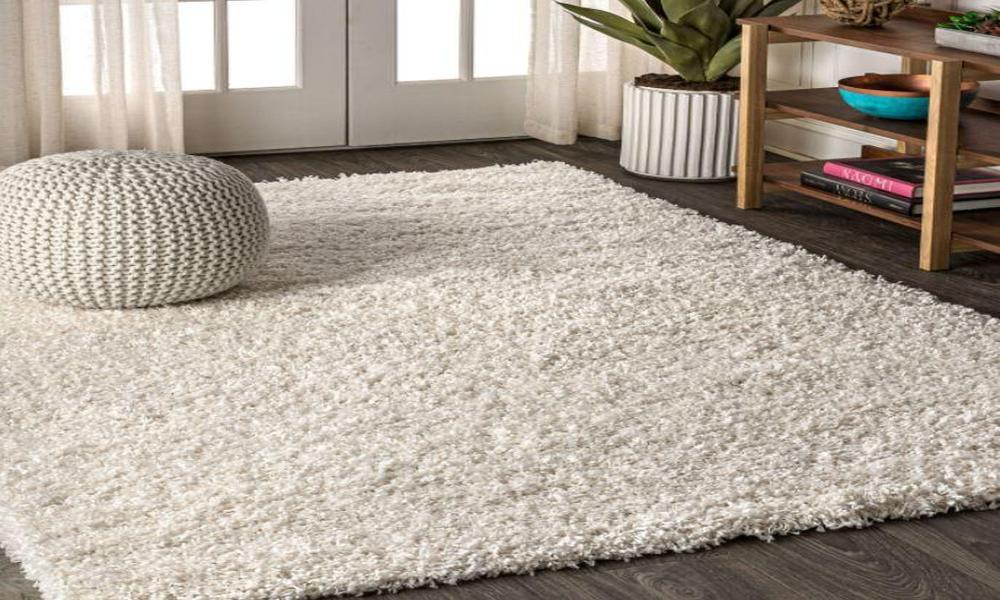
Shaggy rugs have been a staple in interior design for decades, and it’s not hard to see why. These cozy and plush rugs provide a warm and inviting feeling to any space, while also serving as a stylish statement piece. Shaggy rugs are particularly popular in modern and Scandinavian-inspired design styles, where their clean lines and simple shapes create a soothing and serene atmosphere.

But it’s not just their aesthetic appeal that draws people to shaggy rugs. These rugs are also incredibly practical, providing a soft and comfortable surface to walk on, sit on, or even lie down on. They’re perfect for high-traffic areas like living rooms or bedrooms, where people want to relax and unwind after a long day.

So if you’re looking to add some warmth, texture, and style to your home, consider investing in a shaggy rug. With so many colors, sizes, and materials to choose from, you’re sure to find one that fits your space and your style.

How can you keep your shaggy rug looking clean and fluffy?

While shaggy rugs are undeniably cozy and inviting, they can also be a bit of a challenge to maintain. With their long, fluffy fibers, these rugs are prone to trapping dirt, dust, and other debris, which can make them look dull and dingy over time. But with a few simple tips and tricks, you can keep your shaggy rug looking clean and fluffy for years to come.

First and foremost, it’s important to vacuum your shaggy rug regularly. Use a vacuum cleaner with a beater bar or rotating brush to agitate the fibers and dislodge any dirt or debris. If your rug is particularly dirty or has a stain, you may need to use a carpet cleaner or hire a professional cleaning service.

Another key to keeping your shaggy rug looking its best is to fluff the fibers regularly. You can do this by shaking the rug out or using a carpet rake or brush to lift the fibers and restore their natural bounce. And if you have pets or kids who love to play on your shaggy rug, be sure to give it a thorough cleaning at least once a year to keep it looking and smelling fresh.

What are the best ways to incorporate shaggy rugs into your home decor?

Shaggy rugs are incredibly versatile and can be used in a variety of ways to enhance your home decor. Here are a few ideas to get you started:

  • Use a shaggy rug as a statement piece in a neutral or minimalist room. A bold and colorful rug can add interest and texture to an otherwise understated space.
  • Layer a shaggy rug over a flatweave or low-pile rug to create a cozy and comfortable seating area. This works particularly well in living rooms or bedrooms where you want to create a warm and inviting atmosphere.
  • Place a shaggy rug in front of the fireplace or under a coffee table to create a focal point in the room. This is a great way to draw the eye and create a sense of balance and harmony in your decor.
  • Use a shaggy rug to add texture and interest to a nursery or kids’ room. These rugs are soft and comfortable, making them perfect for little ones to crawl or play on.
  • Experiment with different colors and textures to create a unique and personalized look. Mix and match shaggy rugs with other types of rugs and textiles to create a layered and eclectic feel in your space.

Garden arches have different shapes, sizes, designs, and materials, so they can also be used in various ways in the garden.

Using garden arches in garden design

One of the most common uses for arches in a garden is as an entrance. It may be the entrance to the garden itself, or arches can often be used to create walkways between different parts of the garden. Using arches as doors between outdoor rooms makes a sense of progressive realization and a sense of traveling through a garden. They can create a sense of intrigue in the garden visitor with a similar theme. The arches act as bait for people, drawing them to the arch to see what is behind it.

Garden arches are a vertical element in garden design. They provide instant height in the garden. Although planting may eventually provide height, mature plants must be introduced into a new garden before these plants can provide the height that an arch can provide. When properly placed, garden arches can frame a view in a garden, such as creating a focal point such as a statue or a pond. Similarly, garden arches can frame a distant perspective .

Considerations when installing an arch in a garden

In addition to being practical, useful, and attractive in the garden, arches are also one of the easiest elements to erect.

Scale/size

The scale and size of the arch should match the garden and surroundings. For example, a huge gilded ornate arch would be completely out of place in a modest country courtyard, while a 1 m wide wooden garden arch would be lost and insignificant in the vast grounds of a stately home.

Department of design and materials

The style and material of the arch must match the garden and the environment. So if you design and build a cottage garden, a very modern metal and glass structure will look ridiculous. Similarly, if you’re building a modern, minimalist garden, you won’t need a traditional-style wood arch. click here for info.

Strength/Stability

Aside from structural considerations, you need to consider what you will use the arch for and, most importantly, whether you will use it to support climbing plants. If so, then depending on the plants being grown, the arch must be stable and strong enough to support the weight of the plants, as large, tall plants can be surprisingly heavy and put considerable pressure on the tree.

End

So when you are planning and decorating your garden, be sure to make room for an arch.

Today, we delve into the realm of wholesale planters, an often overlooked, but invaluable resource in the world of interior and exterior design. Designing your space doesn’t always have to be an expensive affair, and this notion holds particularly true when it comes to infusing your home or office with a breath of fresh air, using plants. The secret to achieving this aesthetic goal economically and effectively? Wholesale planters.

Unraveling the Benefits of Wholesale Planters

In an increasingly eco-conscious world, the use of plants in design has skyrocketed. People are keen to bring nature indoors and wholesale planters offer an affordable and stylish solution to this. But what exactly are the benefits of these wholesale planters? Let’s unravel them.

Affordability

The very essence of wholesale shopping is to acquire products at a significantly lower cost, as compared to their retail prices. This principle applies to wholesale planters too.

  • Bulk buying: When you buy planters in bulk, you receive them at a fraction of the individual cost. This is particularly beneficial for landscape architects, interior designers, and homeowners with a considerable space to decorate.
  • Wide selection: Wholesale planters come in a variety of sizes, shapes, and materials, providing an array of choices to select from while still sticking to a budget.

Quality

While the affordability of wholesale planters is a significant advantage, it does not imply a compromise on quality.

  • Durable material: Most wholesale planters are made from robust materials like fiberstone, metal, concrete, or plastic, ensuring they withstand the test of time and weather.
  • Expert craftsmanship: Despite the lower price, these planters often showcase expert craftsmanship. They can serve as beautiful accents to your greenery, further enhancing your space’s aesthetics.

Variety

Another benefit of choosing wholesale planters is the extensive range of styles available.

  • Design diversity: Whether you prefer a minimalistic look or an ornate design, there’s something for everyone. From rustic to modern, colorful to monochrome, wholesale planters offer an expansive selection to suit diverse design tastes.
  • Size range: These planters come in a range of sizes, making them ideal for both small, delicate indoor plants, and larger outdoor ones.

Utilizing Wholesale Planters in Design

Now that we’ve discussed the benefits of wholesale planters let’s look at some practical ways to integrate them into your space.

Creating Focal Points

Large, statement wholesale planters can act as excellent focal points in a room or outdoor space. Select a design that complements your style and let it take center stage.

Grouping Planters

By grouping wholesale planters of different sizes and designs, you can create an intriguing visual display. This design principle works well in both interior and exterior spaces.

Planting a Miniature Garden

For those with limited outdoor space, using a large wholesale planter to plant a miniature garden can be a great solution. You can include a variety of plants, providing a burst of greenery in even the most compact spaces.

Making the Most of Wholesale Planters

Embracing wholesale planters in your design strategy is a cost-effective, versatile, and stylish choice. It allows you to experiment with different designs without breaking the bank, giving you the freedom to explore your creativity and adapt your spaces to changing trends with ease.

In conclusion, when it comes to designing on a dime, wholesale planters are an excellent resource. They offer affordability, quality, and variety, providing a winning combination for any design project. So why wait? Begin your design journey today with wholesale planters.

Wood flooring has been a popular flooring choice for centuries. It has been used in homes, palaces, and castles to create a timeless and elegant look. In recent years, wood flooring has seen a resurgence in popularity due to its durability, versatility, and unique aesthetic appeal.

One of the most significant benefits of wood flooring is its durability. Properly maintained, wood flooring can last for decades, even centuries. Unlike carpeting, wood flooring does not trap dust, pollen, or other allergens, making it an ideal choice for people with allergies or asthma. Wood flooring is also easy to clean and maintain. Unlike carpeting, which requires regular deep cleaning and shampooing, wood flooring only requires periodic sweeping and mopping.

Another benefit of wood flooring is its versatility. Wood flooring comes in a variety of species, stains, and finishes, allowing homeowners to create a custom look that suits their individual style. From rustic and traditional to modern and contemporary, wood flooring can be customized to fit any design aesthetic. Additionally, wood flooring can be installed in any room of the home, including high-traffic areas such as the kitchen and entryway.

What are the Different Types of Wood Flooring?

There are two primary types of wood flooring: solid wood flooring and engineered wood flooring. Solid wood flooring is made from a single piece of wood and is typically more expensive than engineered wood flooring. Solid wood flooring can be sanded and refinished multiple times, making it an ideal choice for homeowners who want a long-lasting flooring option. However, solid wood flooring can be susceptible to moisture damage and is not recommended for use in areas with high humidity, such as bathrooms.

Engineered wood flooring is made from multiple layers of wood and is more affordable than solid wood flooring. Engineered wood flooring is also more resistant to moisture and can be used in areas with high humidity, making it an ideal choice for bathrooms and other damp areas. However, engineered wood flooring cannot be sanded and refinished as many times as solid wood flooring, making it less durable in the long run. With a variety of species, stains, and finishes to choose from, homeowners can create a custom look that suits their individual style.

What are the Different Styles of Wood Flooring?

Wood flooring comes in a variety of styles, including plank, parquet, and herringbone. Plank flooring is the most common style of wood flooring and is characterized by long, wide planks. Parquet flooring is made up of small, interlocking pieces of wood and is often used to create intricate patterns and designs. Herringbone flooring is similar to parquet flooring but is laid in a diagonal pattern, creating a unique and visually striking look.

wood flooring is a durable, versatile, and attractive choice for any home. With a variety of species, stains, and finishes to choose from, homeowners can create a custom look that suits their individual style. Whether you choose solid wood flooring or engineered wood flooring, plank, parquet, or herringbone, wood flooring is sure to add warmth and character to any room in your home.

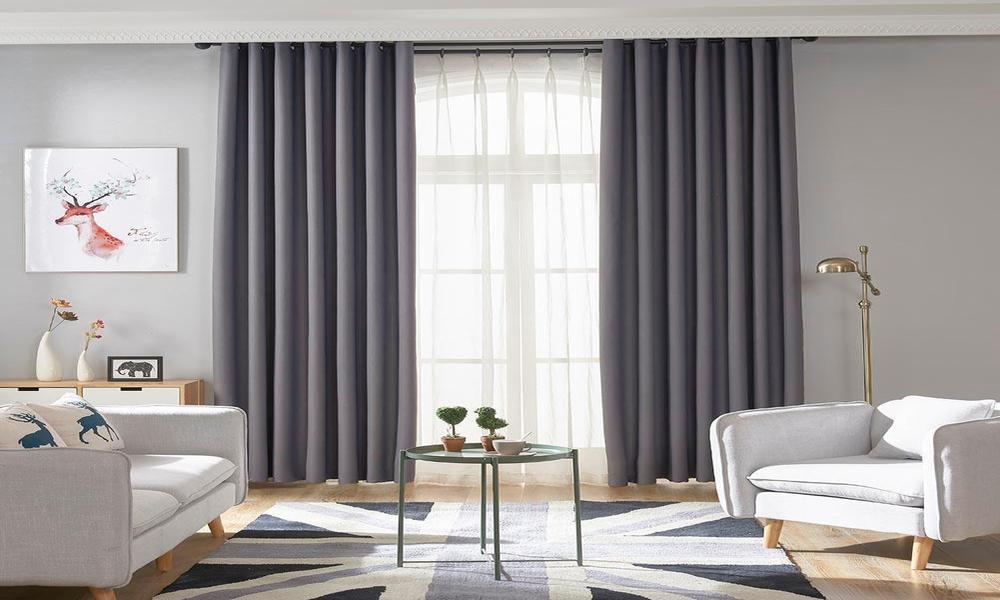
Creating a cohesive look with blackout curtains in a living area with multiple windows can seem like a daunting task, but there are a few tips you can follow to make it easier:

Color scheme and fabric:

Stick to a consistent color scheme for all of your curtains to create a cohesive look. Choose a color or two that complements the existing color palette of your room. Select a consistent fabric for all of your curtains, such as cotton or polyester, to create a unified look.

Use the same style of curtains:

Choose the same style of curtains for all of your windows to create a cohesive look. For example, if you choose rod pocket curtains for one window, use them for all the windows in the room. Coordinate your curtain hardware, such as rods and tiebacks, to create a cohesive look. Select the hardware that matches the overall style and finish of your room.

Pattern and texture:

If you want to add some visual interest to your curtains, consider choosing curtains with a subtle pattern or texture. Just make sure the pattern or texture doesn’t clash with other patterns or textures in your room.

What are common mistakes people make when choosing Blackout curtains?

Not measuring properly: One of the biggest mistakes people make when choosing blackout curtains is not measuring their windows properly. Make sure to measure the width and height of your windows accurately before purchasing curtains.

Choosing the wrong fabric: Not all blackout curtains are made with the same fabric. Some fabrics may not drape as nicely as others, or may not be as durable. Make sure to choose a fabric that meets your needs and works well with your decor.

Choosing the wrong color: Blackout curtains come in a variety of colors and patterns, and it’s important to choose a color that complements your room’s color scheme. Avoid choosing a color that clashes with your decor.

Not considering the room’s lighting needs: Blackout curtains are designed to block out light, but you may not want to block out all light in a room. Consider the amount of natural light you want in the room and choose curtains that meet those needs.

Can blackout curtains be used to cover unsightly or unused areas in a room?

Yes, blackout curtains can be used to cover unsightly or unused areas in a room. Here are a few ways you can use blackout curtains for this purpose:

Cover a closet: If you have an unsightly closet or storage area in your room, you can use a blackout curtain to conceal it from view. Simply install a curtain rod above the closet or storage area, and hang a blackout curtain to cover it up.

Create a temporary wall: If you need to create a temporary wall or divider in your room, you can use a blackout curtain to do so. Hang a curtain from the ceiling or a curtain rod to create a barrier between different areas of the room.

Cover a window or door: If you have a window or door in your room that you don’t want to use or that lets in too much light, you can use a blackout curtain to cover it up. Simply install a curtain rod above the window or door, and hang a blackout curtain to block out light and create privacy.

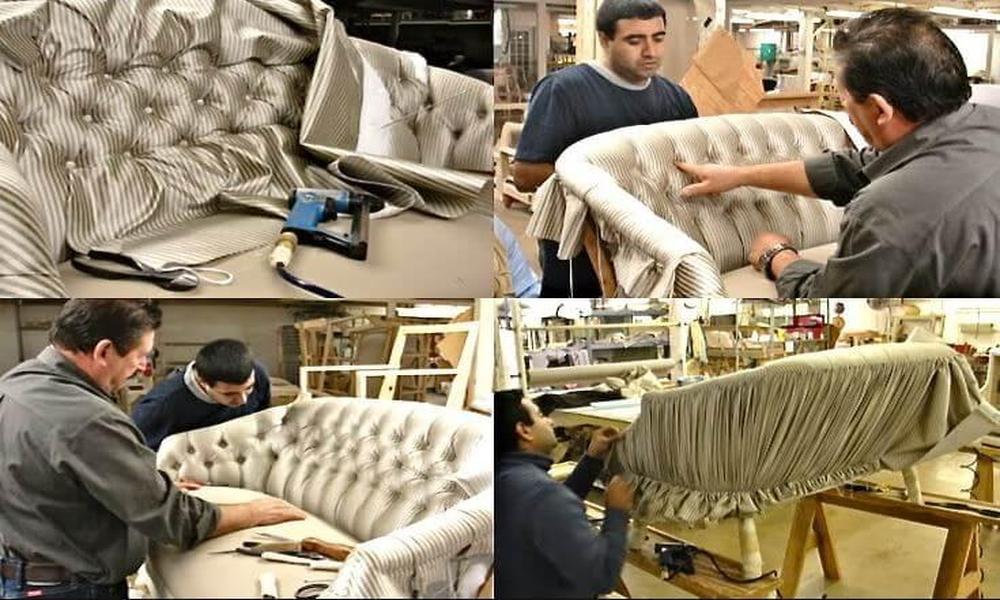
We often see people trying to DIY their sofa upholstery. This is a mistake, as you can only achieve a good result with professional help. The key to a good, upholstered sofa is to have the right material and the right craftsmen.

Upholstery fabrics are usually expensive, and they’re not great for small businesses because they’re so time-consuming to clean. Upholstery fabric is made of cotton or polyester fibers that are coated with a layer of polyurethane. This coating prevents the fabric from bleeding color into your couch cushions. If you own a small business, this means that you have to clean your upholstery every few weeks or months (if it’s been a while since you’ve cleaned it). And if you don’t want to do it yourself, you’ll need someone else to help out.

The best way to find a good, upholstered sofa is by looking at what other people have done. If you want to save money on your new sofa, then look at what others are doing. You may be surprised at how much they cost!

You can also ask friends or family members if they know of any upholstered sofas that they would like to sell. They might be willing to let go of their old ones for cheap if they know that you will put them back together again!

Sofas are one of the most popular furniture items in a home. They are typically large, comfortable, and versatile. However, not all sofas are created equal. Some sofas may be more expensive than others, but how much does a sofa really cost?

The cost of a sofa depends on a variety of factors such as the material used, style, and size of the sofa. The price also depends on where you live and how much you want to spend on your new sofa. The average price for an average-quality sofa is around $1,200 including delivery charges.

what should you look for when shopping for sofa fabric?

Let’s take a closer look at these questions and some tips for making the best choice when buying new furniture.

If you are in the market for a new sofa, it is important that you choose the right one. The best way to ensure that you make the right decision is to do some research. You can start doing this by reading reviews online and talking to friends who have used various types of sofas before. If possible, you should also take into account the size and shape of your living room when making your selection.

The quality of your sofa will depend on how often you use it. If you plan on using your sofa for more than 6 months at a time, then investing in high-quality furniture is worth considering. However, if you only plan on using your sofa occasionally, then saving money by opting for cheaper options may be better for your wallet in the long run.