Discovering the Magic of Royal Icing: Ingredients and Techniques
The Science Behind Royal Icing: What Makes It Stick?
Royal icing is not just a sweet adornment; it is a clever amalgamation of egg whites, powdered sugar, and sometimes water or lemon juice, engineered through culinary science to create a sturdy yet delicate medium for decoration. The key to its adhesive properties lies in the egg whites and the sugar’s crystalline structure. When whipped together, the proteins in the eggs form a stable foam that holds air, while the sugar acts as a means to maintain that volume and structure. The end result resembles a meringue with a satin texture, perfect for piping intricate designs or flooding cookies. The icing’s ability to dry relatively quickly gives it an edge in maintaining its shape, making it ideal for crafters who appreciate precision.
Essential Ingredients: Choosing the Best for Brilliant Results
Quality ingredients form the backbone of successful royal icing. When selecting powdered sugar, opt for pure confectioners’ sugar without any additives, as they can affect the icing’s consistency and drying time. Another key ingredient, powdered egg whites, can be substituted with fresh eggs, but using meringue powder ensures consistency and stability. This powdered form is ideal for those concerned about food safety and offers reliable results. Freshly squeezed lemon juice adds a zesty flavor while stabilizing the egg whites, enhancing both texture and taste. It’s advisable to sift all dry ingredients before mixing; this technique ensures the absence of lumps and empowers the icing to blend smoothly with the moisture, creating a flawless finish.
Tools of the Trade: Must-Have Equipment for Decorators
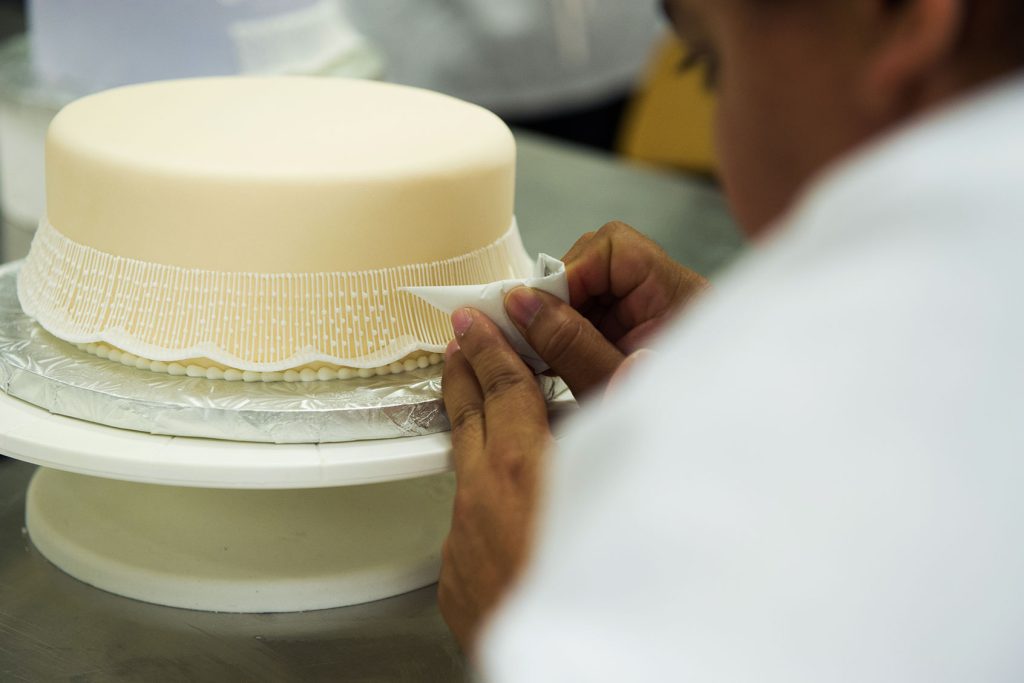
Equipping yourself with the right tools can elevate your royal icing decoration game. A high-quality stand mixer is indispensable for achieving that perfect glossy consistency. When it comes to piping, a set of disposable piping bags simplifies cleanup and offers versatility—you can cut them to create various tips or even use them for flood icing and detail work without switching tools. Couplers are another essential item that allows for easy tip changes without spilling icing. A collection of piping tips, including round and star shapes, will enable you to think creatively, letting your designs flow freely. Additionally, ensure you have a sturdy spatula for mixing, a scribe tool for fine detailing, and a turntable for even decoration. Each tool is an extension of your skill, aimed to bring your artistic vision to life.
Mastering Consistency: The Key to Stunning Icing Designs
Perfecting the Thin vs. Thick Icing Ratio: A Delicate Balance
The success of royal icing decorations hinges heavily on achieving the perfect consistency for specific applications. Thick icing, typically used for outlining designs, should hold its shape and create defined lines without running. In contrast, thinner icing, which is essential for flooding areas or filling in designs, must be fluid enough to spread easily while maintaining its overall form. A simple test known as the “15-second rule” can help determine the ideal flooding consistency; when a spoonful of icing is dropped back into the bowl, it should settle smoothly within about 15 seconds. This careful calibration of thinning your icing with water or adding more powdered sugar allows crafters to successfully create both techniques—thick for defined edges and thin for smooth, seamless surfaces.
Temperature and Humidity: Control Your Environment for Success
Environmental factors play a significant role in the behavior of royal icing. Ideal conditions for applying and drying royal icing involve a cool, relatively dry atmosphere. High humidity can lead to a sticky, uncooperative icing that refuses to set. It’s advisable to decorate on days when the humidity is low and to consider using air conditioning or fans to control ventilation. When working in high temperatures, keep your icing cool to prevent it from becoming too runny. Conversely, if you’re working in a dry environment, consider using a light mist of water on your hands, piping, and the surface of your cookies to ensure the icing adheres properly. Understanding and controlling these variables can dramatically impact your final results, turning a good decorator into a great one.
How to Achieve the Ideal Piping Consistency: Techniques Explained
Piping consistency is critical to producing detailed and intricate designs. Begin with the medium-thick consistency for outlining, which allows the icing to hold its shape. To achieve this, start by mixing 1 cup of powdered sugar with a few drops of water at a time until you reach the desired thickness. After preparing your icing, always let it rest for about 10 minutes before use to allow any bubbles to rise. Once prepared, load your piping bag without overfilling it to maintain control and comfort in your hands. Hold the piping bag at a 45-degree angle and apply even pressure as you pipe. Practice basic shapes like circles and lines on parchment paper to refine your technique. Over time, the combination of practice and understanding your tool’s behavior will yield impeccable results.
From Basics to Brilliance: Techniques for Enchanting Decorations
Flooding and Piping: Mastering Layering for Depth and Texture
The combination of flooding and piping techniques can yield extraordinary layered designs with remarkable depth and texture. Flooding refers to the process of filling an outlined area with icing, creating a smooth, flat surface that sets beautifully. Begin by outlining your shape with thicker icing, allowing it to dry for a few minutes before flooding. For flooding, use thinner icing, ensuring to fill the area after releasing the pressure from your piping bag while moving in circular motions. This technique allows for self-leveling, resulting in a seamless look. Once the flooded layer has set, you can add details on top using thicker icing. Mastering this technique can transform a simple shape into a multidimensional work of art and offers endless possibilities for intricate designs.
Creating Custom Colors: Secrets to Vibrant, Lasting Shades
The art of coloring royal icing opens up a new world of creativity. To create custom colors, food gel colors are favored over liquid counterparts due to their concentrated nature, which minimizes the risk of altering your icing’s consistency. Start with small amounts and gradually add more until your desired shade is achieved. Mix the color thoroughly, allowing time for the hue to develop, as colors can deepen slightly as they rest. For sophisticated designs, consider using complementary shades or ombre effects. Always plan your color palette beforehand—doing so ensures coordination in your overall design while avoiding unexpected clashes or muddy colors. When tasked with large batches, it’s prudent to create a color chart that can assist in recreating hues for future projects, enhancing both efficiency and reliability.
Advanced Techniques: Incorporating Marbling and Stencil Art
Once you’ve mastered the basics, advanced techniques such as marbling and stencil art can elevate your work to an impressive new level. Marbling involves swirling two or more colors of icing together to produce a dynamic effect that captures the eye. To successfully execute this, flood your surface with the base color and immediately drizzle lines of contrasting icing over the top. Use a toothpick or a scribe tool to swirl the colors together gently, ensuring to mix only enough to create an aesthetically pleasing pattern without blending too much. On the other hand, stencil art serves as a precise way to imprint intricate designs onto your cookies. Place a stencil over the dried icing and use a sifter to dust powdered sugar or cocoa onto the surface for a clean effect. This layering can result in professional-looking decorations that showcase your skilled baking and artistic vision.
Finishing Touches: Presentation and Storage Tips for Your Masterpieces
Building Beautiful Displays: Arrangement Techniques That Wow
The presentation of your royal icing masterpieces is fundamental to making a great impression. Think of each cookie or decorated treat as part of a cohesive design. Use varying heights by incorporating stands or props to create visual interest. Arrange items in odd numbers, such as threes or fives, which the eye finds pleasing. Utilize decorative platters or stands to provide a backdrop that complements the color scheme of your creations. Consider incorporating seasonal themes or other design elements, like floral arrangements, to create a well-rounded display. Additionally, don’t underestimate the impact of proper lighting; soft, warm lights can highlight the beauty of your work and make each piece sparkle. By paying attention to these details, you can craft an eye-catching display that will leave an enduring impression on your audience.
Proper Storage and Preservation: Keeping Your Icing Fresh
To preserve the integrity of your royal icing creations, proper storage is paramount. Once fully dried, royal icing is remarkably shelf-stable. However, humidity can challenge even the sturdiest of designs. Store your decorated cookies in an airtight container, layering them carefully with parchment paper to avoid contact and smudges. It’s best to keep decorated cookies in a cool, dry environment, away from light, which could cause colors to fade. If you need to store for an extended period, consider using desiccant packets in your container to absorb moisture. For royal icing used in cake decorations, it’s advisable to assemble those just before serving, as moisture from the cake can soften the icing. Understanding how to preserve your artwork will ensure they remain as delightful as the day they were made.
Sharing Your Art: Best Practices for Transporting Beautiful Treats
Once your royal icing creations are completed and stored, sharing them with loved ones becomes an exciting challenge. Transportation requires care, as even the most meticulous artistry can suffer damage in transit. Using a sturdy cookie box or tin can protect your decorations during travel. If you are transporting a large batch, stacking cookies is an option, but make sure to use parchment or waxed paper between layers. This precaution prevents sticking and preserves the surface integrity of your designs. For long-distance transport, especially during warmer months, consider using insulated containers with ice packs to stave off melting. Finally, communicate with your recipients regarding storage at their end, emphasizing how to handle and display these treats for optimal enjoyment.