
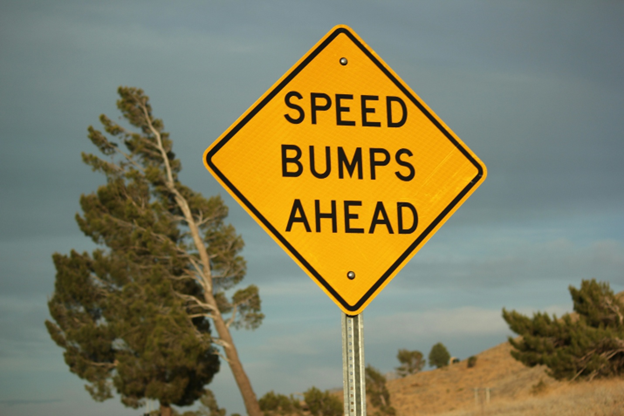
Speed bumps are one of the most popular measures taken to mitigate speeding in neighborhoods, school zones, and commercial zones. When they are placed correctly, they not only help protect pedestrians, help the drivers develop their driving habits, but provide a better community. To know more, check out this link.
When placed poorly, speed bumps can create just as many problems as they solve, including backups of traffic, damages to property, and even preclude timely emergency response. For city planners and neighborhood boards, understanding where to put speed bumps and how to place speed bumps is crucial for both safety and efficiency.
Ideal Spacing Between Bumps
Spacing is one of the most important components of speed bump design. If they are spaced too close together, this may create frustration and lead to panic stopping or attempts to avoid the speed bumps altogether (for many drivers do not want to go over these minor elevation changes). If the spacing is too far, drivers may accelerate beyond 25 mph, which undermines the intended purpose of speed bumps altogether.
- For residential streets, speed bumps should generally be placed every 300 to 500 feet
- For school zones/playground areas, the speed bumps would benefit from closer spacing for safety reasons.
- In parking lots, spacing should be more closely because they travel at lower speeds.
Well planned spacing can help balance traffic as safety. Generally, contractors that specialize in asphalt paving and parking lot striping often will provide advice to individuals regarding the spacing of speed bumps to stay within local ordinances and yet provide for the actual traffic needs. Many times, engineers will also monitor existing traffic speeds previous to proposing their final spacing recommendation. This study (and recommendation) will help reduce the likelihood of spending money on ineffective installations.
Placing Bumps Near Crosswalks
Crosswalks are high-risk areas for pedestrian safety, so we prioritize pedestrian safety. The presence of speed bumps in advance of crosswalks may entice drivers to slow down before reaching them. This is enhanced particularly near schools, parks, community centers, etc.
Planning for installation must coordinate with other traffic features, including signage, stop lines, painted striping features in the roadway. An experienced paving contractor can help align speed bumps with crosswalk markings and ensure the asphalt road surface can withstand repeated friction from tires. In many speed bump installation Nashville projects, these measures are considered along with ADA pedestrian walkways.
Added reflective paint or thermoplastic striping features enhance vehicle and pedestrian visibility at night and contribute to reduced vehicular/pedestrian collisions. Some small upgrades, like solar powered warning signs, can help improve the safety of crosswalk zones for everyone.
Avoiding Emergency Vehicle Routes
While bumps do slow traffic, they will also slow fire trucks, ambulances, and police vehicles. Therefore, planners should carefully consider plans for emergency routes before installation. A bump, incorrectly located, could cost seconds in an emergency call.
Other than speed bumps, planners can consider speed humps, (not as gradual), consider raised intersections, consider traffic circles, and so on, to accommodate emergency service use. Some cities have removable bumps or bumps that are specially designed to limit slowing at emergency service vehicles while still interrupting the flow of traffic for passenger vehicles. Asphalt and concrete contractors frequently rely on their local public works departments to help navigate the challenge of balancing these competing priorities.
Mapping applications (see https://www.sciencedirect.com/topics/computer-science/mapping-software for details) can help show the routes and to help ensure important roadways remain open, while a pre-arranged plan can help prevent communities from making expensive mistakes where safety is compromised.
Resident Concerns About Placement
Residents will often have strong opinions about where speed bumps should and should not be installed. Some homeowners are able to support speed bumps to curb speeding near their driveways, but others are opposed to speed bumps for one reason, two reasons, or a combination of reasons that lead to resident concern: noise, wear and tear on the vehicles, and inconvenience. There are ways to be respectful of resident concerns and still achieve the safety objectives sought.
- Neighborhood survey to gather opinions before a decision is made
- Public meeting to allow residents to voice concerns and also show how traffic studies were conducted
- A pilot installation prior to entering into a construction contract
Many sealcoating and striping contractors work with their local boards to explain how the placement of speed bumps, or any other construction or markings, affects the longevity and in the end the money spent on maintenance. Consulting with communities during the planning stages can often eliminate conflict and promote the adoption of the preferred final design. To the extent residents feel their opinions have been solicited, they will be more supportive of the traffic calming measures, even when compromises must be made.
Case Studies in Poor Planning
Projects that have neglected the prior concepts can demonstrate the importance of placement. First, in a suburban neighborhood the bumps were placed at a steep elevation; when vehicles went over the bumps they bottomed out and damaged the suspension systems on the vehicles. Second, the distances between the bumps in a commercial parking lot were so poorly set that the delivery trucks stopped visiting the business altogether.
Cities that did not coordinate their placement with their paving contractors also incurred excessive repair costs. Where bump installations failed due to disregard for the prior paragraph or pavement damage due to the lack of sealcoating, both the non-trivial costs and public safety risks have caused several municipalities in Tennessee to abandon the bump concept altogether. The experiences from these events can serve as a reminder that all road projects in Nashville and the state of Tennessee must be planned with contractor experience and with input from the neighborhood communities.
Local public agencies that learned from these disturbing events now require professional evaluations on new traffic calming measures prior to approving their developments. These examples illustrate how the long-term costs of poor planning will outweigh any short-term gain of ignoring due diligence.
When speed bumps receive the planning they deserve, they improve street safety for everyone while minimizing unnecessary burdens on the community. For city planners and neighborhood advisory boards alike, the challenge lies in balancing the placement of speed bumps with traffic flow, emergency access and responding to the wants and needs of the residents. Hiring fully qualified (certified) asphalt and concrete professionals will ensure speed bumps are properly installed, effective, durable and ultimately serve the public good.