
Reading the X-Ray: What Your Dentist Is Actually Looking At
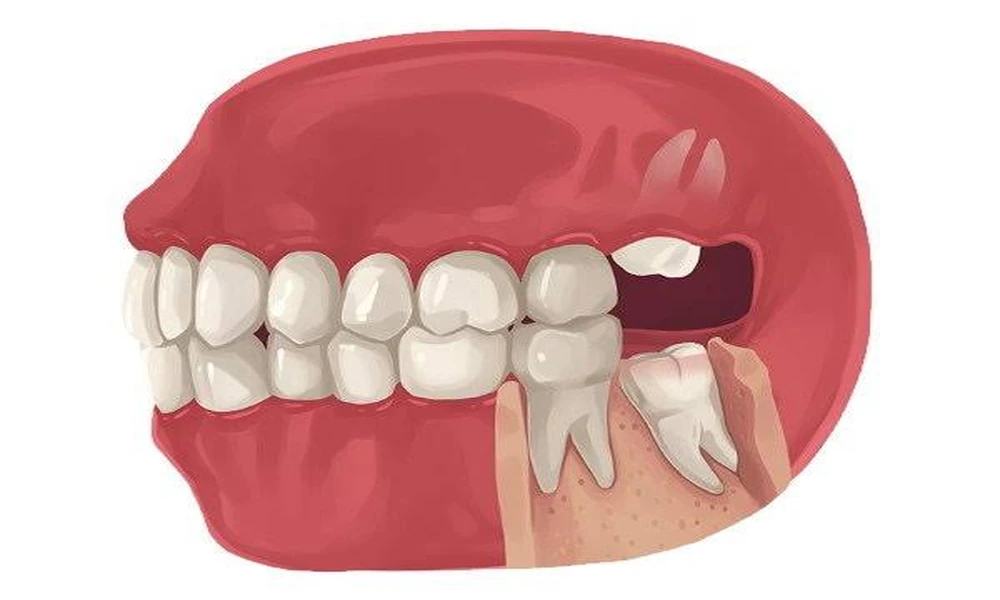
Picture the moment a dentist flips on the lightbox, points to a shadowy shape near the back of your jaw, and says the word everyone dreads: impacted. You nod along, but the image in front of you doesn’t mean much without context. Those four back molars, often called wisdom teeth, tend to show up in the late teens or early twenties, long after the rest of your mouth has already settled into its final shape. By the time they try to come in, there’s frequently not enough room, and the tooth ends up tilted, trapped under gum tissue, or pressing sideways into the tooth next to it.
The images dentists use to make these calls range from a simple panoramic X-ray to a more detailed 3D scan called a cone beam CT. A panoramic X-ray gives a wide, flat view of the entire jaw and is usually enough to spot an obvious problem, like a tooth growing at an angle or one that’s only partially broken through the gum. A cone beam CT becomes useful when the tooth sits close to a nerve canal or when the roots curve in a way that’s hard to judge from a flat image. Neither option is inherently better; they answer different questions depending on how complicated the case looks on first glance.
Weighing Watchful Waiting Against Early Removal
Once the imaging is done, the real decision-making starts, and it usually comes down to two paths: monitor the teeth over time or schedule removal before problems develop. Watchful waiting makes sense for teeth that have fully erupted, sit in a position that allows normal brushing and flossing, and don’t crowd neighboring teeth. Some people go their whole lives with wisdom teeth that never cause an issue, and pulling a tooth that isn’t bothering anyone carries its own set of risks and recovery time that not everyone wants to take on without a clear reason.
Early removal gets recommended more often than people expect, partly because impacted teeth rarely improve on their own and partly because younger patients tend to heal faster and with fewer complications. Dentists who specialize in this procedure, like the team at wisdom teeth removal, often point out that roots are still forming in patients in their late teens, which makes the extraction simpler and the recovery shorter compared to waiting until the roots are fully developed and anchored into bone. Waiting until a tooth causes pain, infection, or damage to the tooth beside it usually means a harder extraction and a longer recovery, not a gentler one.
There’s also a middle category worth mentioning: teeth that aren’t causing symptoms yet but show early signs of trouble on imaging, like a cyst forming around the crown or slow but steady pressure on the neighboring molar. These cases don’t demand immediate action, but they do call for closer monitoring than a tooth that looks stable and well-positioned. A dentist might suggest rechecking the area every six to twelve months rather than committing to surgery right away, which gives both the patient and the provider a chance to see how the situation develops before making a final call.
Matching the Timing and Setting to Your Own Risk Tolerance
With the clinical picture in hand, the decision usually shifts from what the tooth looks like to what fits a person’s actual life. Someone starting a demanding job or a semester of exams might prefer to schedule removal during a slower stretch of the calendar rather than risk a flare-up at the worst possible time. Others want to avoid surgery altogether until symptoms force the issue, accepting the tradeoff of a potentially harder recovery later in exchange for not dealing with it now.
Where the procedure happens matters too. Some cases are straightforward enough for a general dentist to handle in a familiar office, while impacted teeth close to a nerve or sinus cavity usually call for an oral surgeon with more specialized training and equipment. Anesthesia choices factor in as well, since local anesthesia alone works fine for simple extractions, but sedation or general anesthesia often makes sense for more involved cases or for patients who feel anxious about the process.
None of these choices need to be made in isolation. A good conversation with a dentist or surgeon should walk through the imaging, the realistic timeline for symptoms if nothing is done, and the recovery expectations tied to each option. Asking direct questions about how many similar cases a provider has handled, what complications look like, and how long downtime tends to last gives a much clearer picture than guessing based on general advice. That kind of specific, case-by-case conversation tends to produce decisions people feel settled about long after the swelling goes down.