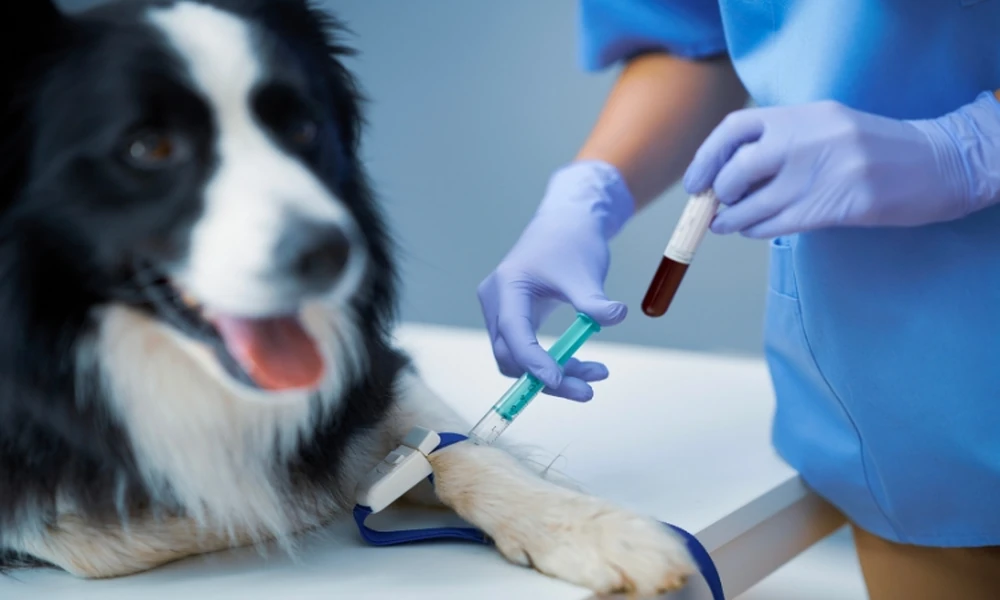

You give the medication exactly as directed, you show up for the blood draw, and then you hear that the result may not mean much if the sample was taken at the wrong time. That is frustrating. At Scarborough animal hospital, we understand that when your pet is already dealing with seizures, immune disease, heart trouble, or another condition that needs close monitoring, the last thing you need is a test result that creates more confusion.
The timing of a blood sample can change the number your veterinarian sees, sometimes by a lot. A level taken too soon after a dose may look high. A level taken too late may look low. That can lead to dose changes your pet does not actually need. The goal of medication monitoring is not just to get a number. It is to understand how much drug is in your pet’s system at a specific point in the dosing cycle, so treatment stays safe and effective.
Medication Level Testing Depends on the Exact Time in the Dosing Cycle
Many drugs rise in the bloodstream after a dose, reach a peak, and then slowly fall until the next dose. That rise and fall is normal. The lab result only makes sense when your veterinarian knows exactly when the last dose was given and whether the sample was meant to measure a peak level, a trough level, or another planned time point.
This is the heart of pet medication blood level testing. If your dog takes a seizure medicine every 12 hours and the blood is drawn 3 hours after the morning dose one time, then 11 hours after the dose the next time, those two results are not directly comparable. The numbers may differ because of timing alone, not because the drug suddenly stopped working or built up to a dangerous amount.
That is why your veterinary team may ask you to write down the exact dose time, the exact blood draw time, whether food was given, and whether any doses were missed or delayed. Those details are not paperwork for the sake of paperwork. They are what make the result usable.
Wrong Timing Can Lead to the Wrong Treatment Decision
You can do everything right at home and still end up with a misleading result if the timing is off. A pet may seem stable, but the test comes back low, so the dose gets increased. Then side effects show up because the original level was only “low” due to a late blood draw. The reverse can happen too. A sample taken near the drug’s peak may look high, leading to a dose reduction that leaves the condition poorly controlled.
This matters with medications that have a narrow safety range, where too little may not work and too much may cause harm. Anti seizure drugs are a common example. So are drugs such as cyclosporine, where monitoring can help guide treatment in some patients. Texas A&M’s guidance on therapeutic drug monitoring in dogs and cats explains how sampling time affects interpretation and why consistency matters from one test to the next.
Sometimes the stress comes from the result not matching what you see at home. Maybe your cat is doing well, eating, resting, and acting normal, yet the number raises concern. Maybe your dog is still having breakthrough seizures even though the level looks “fine.” That disconnect often means the full picture needs review, including timing, dose history, other medications, and the pet’s symptoms.
Different Medications Require Different Blood Draw Strategies
Not every drug is checked the same way. Some are monitored with a trough sample, which is drawn right before the next dose. Some may call for a peak sample, drawn a set number of hours after dosing. Others may require paired samples or repeat testing after a dose adjustment.
Cyclosporine is a good example of why one size does not fit all. The University of Illinois explains that therapeutic drug monitoring of cyclosporine in dogs and cats can involve different sampling approaches depending on the case and the reason for treatment. That means your pet’s testing plan should match the medication, the disease being treated, and your veterinarian’s clinical goal.
Blood testing for pet medication levels works best when the plan is consistent. Same dosing interval. Same relation to meals if your veterinarian advises that. Same target time for the blood draw. Consistency gives your veterinarian a reliable trend instead of a random snapshot.
Consistent Timing Makes Follow Up Testing More Useful
One of the biggest mistakes is assuming any blood draw on the same day is close enough. It often is not. If your pet’s first level was checked exactly 12 hours after the last dose, the next recheck should aim for that same point. That gives the clearest comparison.
| Sampling Situation | What the Result May Suggest | Risk if Interpreted Without Timing Context |
|---|---|---|
| Drawn much earlier than planned | Medication level appears higher | Dose may be reduced even if the pet actually needs it |
| Drawn much later than planned | Medication level appears lower | Dose may be increased and side effects may follow |
| Drawn at the same planned time every visit | Results are easier to compare over time | Safer dose decisions and better trend tracking |
| Missed or late dose before the test | Result may not reflect the usual daily pattern | False concern about poor control or poor absorption |
Simple Steps Help You Get a More Reliable Medication Level Check
1. Record dose and blood draw times. Write down the exact time you gave the medication and the exact time of the blood sample. Do not rely on memory when you are juggling a sick pet, work, and a waiting room.
2. Ask what kind of sample your pet needs. Confirm whether the test should be a trough, a peak, or another scheduled point. Ask if food matters and whether any other medications could affect the result.
3. Keep the routine as consistent as possible. Give the medicine the same way each day unless your veterinarian changes the plan. If a dose was missed, vomited, or given late, tell the clinic before the sample is collected.
The Right Number Comes From the Right Timing
When you are caring for a pet on long term medication, small details can feel like a lot. This one matters. A well timed blood sample gives your veterinarian a result that can actually guide treatment, and that protects your pet from unnecessary dose changes, missed warning signs, and added stress.
If your pet needs animal clinic support for medication monitoring, ask for clear instructions before the next blood draw so you know exactly when to give the dose and when to arrive for testing.



Leave a Comment