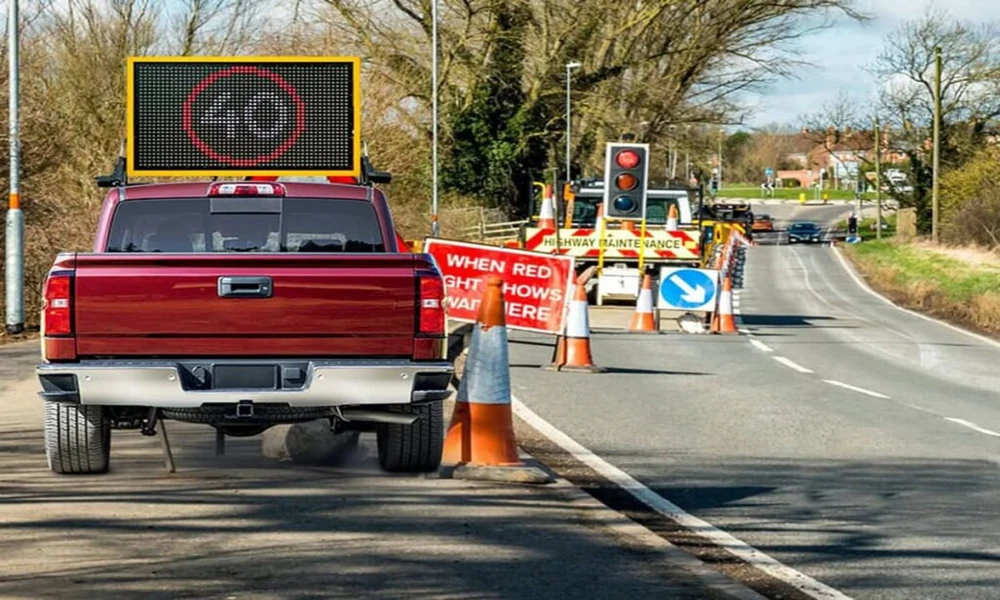

Orange cones and reflective vests might be what come to mind when you think of traffic control, but the gear required to keep roads safe and projects compliant goes far beyond the basics. As cities grow busier and regulations get tighter, professional traffic control demands precision equipment, careful planning, and a deep understanding of both safety and logistics.
The Early Days of Traffic Control: Basic Tools and Methods
In the earliest days of traffic control, simplicity ruled the road. Crews relied on manual flagging and clear hand signals to direct drivers at construction or incident sites. Most setups used little more than a pair of flags, a whistle, and maybe a few wooden signs.
Temporary signs and cones started appearing as cities expanded, offering a layer of visibility and direction previously missing from these setups. But even these early measures had clear limitations. Gear was often hard to spot at night or in bad weather, and the lack of standardized equipment put both workers and drivers at risk.
Advancements in Traffic Control Equipment
Technology and regulation have transformed the landscape. Introducing reflective and lighted devices was a game changer, allowing for 24-hour visibility and increased safety. Next came portable barrier systems, modular and sturdy enough to separate traffic from active work zones, even in high-speed areas.
Then, digital signage entered the scene. Variable message boards and electronic arrow panels made it possible to update warnings in real time, giving drivers critical information as conditions changed.
Essential Equipment for Modern Professional Traffic Control Rentals
Professional quality traffic control today relies on a wide range of specialized gear. Here’s what you’ll find at the heart of a modern setup:
– High-Visibility Safety Apparel and Flagging Gear: Certified vests, jackets, and hard hats, plus precision-designed flags and paddles, ensure every crew member is seen and heard.
– Traffic Cones, Barriers, and Channelizers: Durable, reflective, and available in an array of shapes and sizes, these tools define lanes, guide drivers, and shield work zones.
– Portable Traffic Signals and Light Towers: Temporary traffic lights and high-lumen towers maintain order and safety after dark or in low-visibility conditions.
– Variable Message Signs and Electronic Arrow Boards: These programmable displays allow operators to warn of upcoming lane changes, closures, or hazards.
– Specialized Equipment for Lane Closures and Median Diversions: From crash attenuators to custom barriers, these items are crucial for safely redirecting high-speed or high-volume traffic.
Customizing Equipment for Different Traffic Control Scenarios
Not all jobs are created equal. Equipment needs shift dramatically based on the situation.
– Road Construction and Maintenance: Lane closures, shoulder work, and road resurfacing often require an array of cones, portable barriers, digital message boards, and carefully placed warning signs.
– Special Events and Film Productions: Managing parades, festivals, or on-location shoots means planning for pedestrian flow, emergency access, and intermittent closures, often in unpredictable urban settings.
– Complex or Long-Term Work Zones: These projects demand sophisticated layouts, with phased equipment placement and constant updates to maintain safety over weeks or months.
The Role of Traffic Control Plans in Equipment Selection
No setup succeeds without a solid, site-specific traffic control plan. Municipalities increasingly require a detailed roadmap before granting occupancy permits, ensuring that every aspect of safety and compliance is addressed.
A professional plan goes beyond generic templates. It considers the nuances of each street, intersection, and traffic pattern, directly informing which equipment will be most effective. This collaborative process between planners and rental providers guarantees that the right tools are in place from day one.
Maintenance, Quality, and Compliance Standards
With regulations like Ontario’s OTM Book 7 setting strict standards, every piece of rented equipment must meet rigorous guidelines. Ongoing inspection and maintenance are non-negotiable, protecting both crews and the public from equipment failure or unexpected hazards.
Renting from a trusted provider ensures access to professional-grade gear that’s regularly inspected, up to code, and ready for deployment. The risk of downtime and costly delays drops dramatically when quality control is a top priority.
Emerging Technologies Shaping the Future of Traffic Control Rentals
The future promises even more innovation. Smart traffic devices are integrating with the Internet of Things (IoT) for real-time updates and data collection. Automation is entering the field, with remote monitoring and even AI-powered signboards that adapt to traffic in the moment.
Sustainability is also gaining traction, with solar-powered message boards and LED lighting reducing environmental impact while boosting reliability.
Choosing the Right Traffic Control Rental Provider
The difference between a smooth, safe job and a costly mishap often comes down to the provider. Look for partners with experience, a comprehensive selection of meticulously maintained equipment, and a reputation for responsive service. Providers like Salus Traffic Control services combine deep industry knowledge with flexible, up-to-date inventories and a proactive approach to every project.
In a world where road safety is non-negotiable, having the right traffic control equipment, and the right partner, makes all the difference.